1 Vivaing
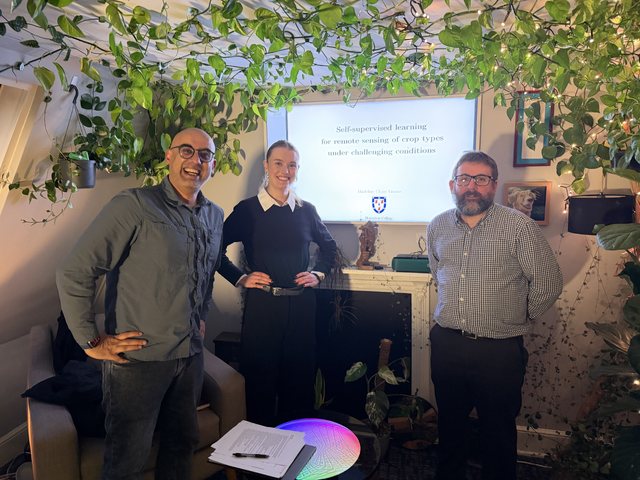
This week started off with my conducting the PhD viva for Madeline Lisaius, which was a very enjoyable 4.5 hours of discussion with her and external examiner Kevin Tansey who came up from Leicester for the day. I can't comment on the result until it is officially ratified by the examiners board here, but you can judge for yourself from the expressions below how it went! Maddy is off to Paris next for a new role working on CLAY2, and we will miss her here in Cambridge!
2 Talking at ARIA
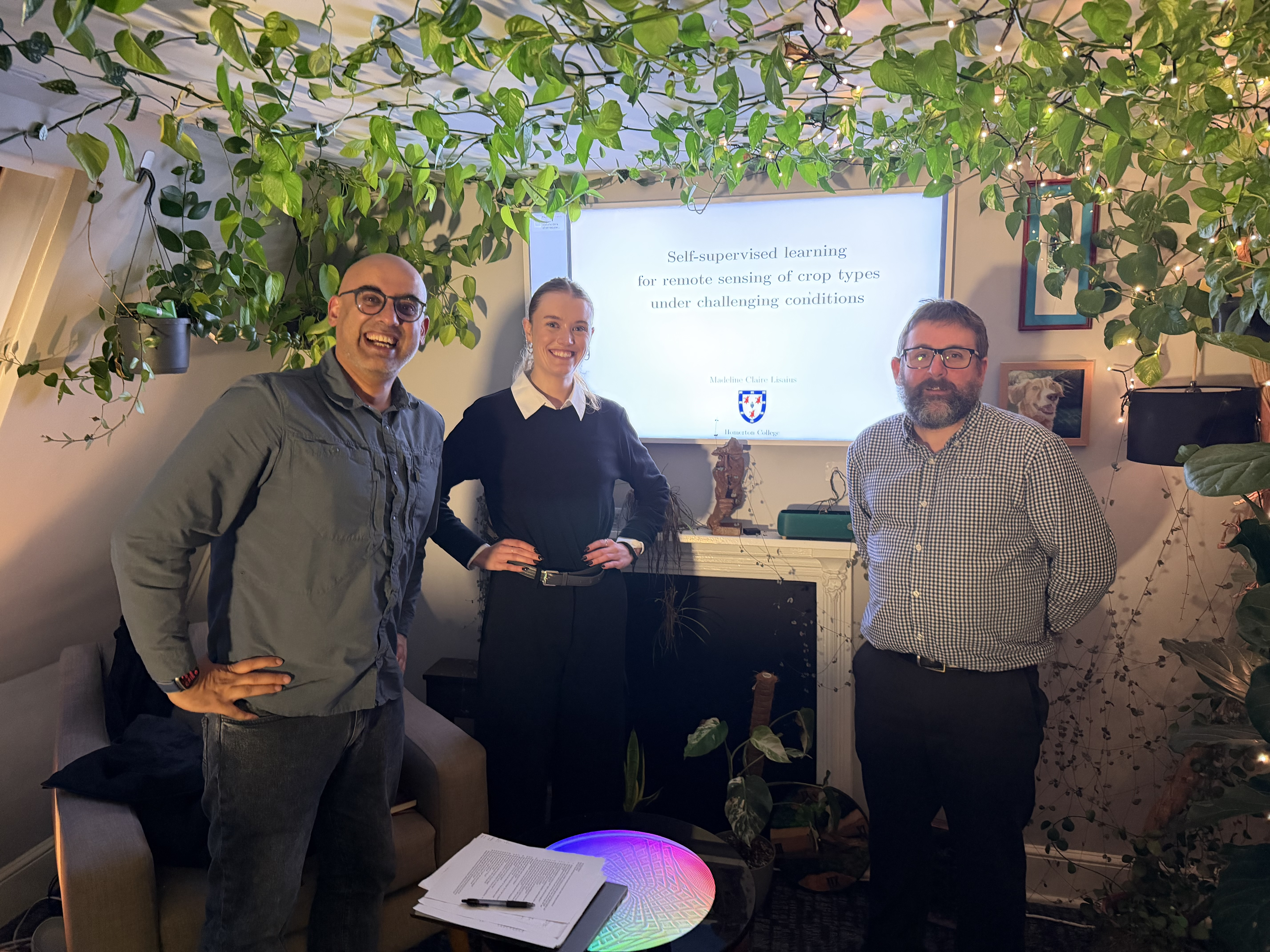
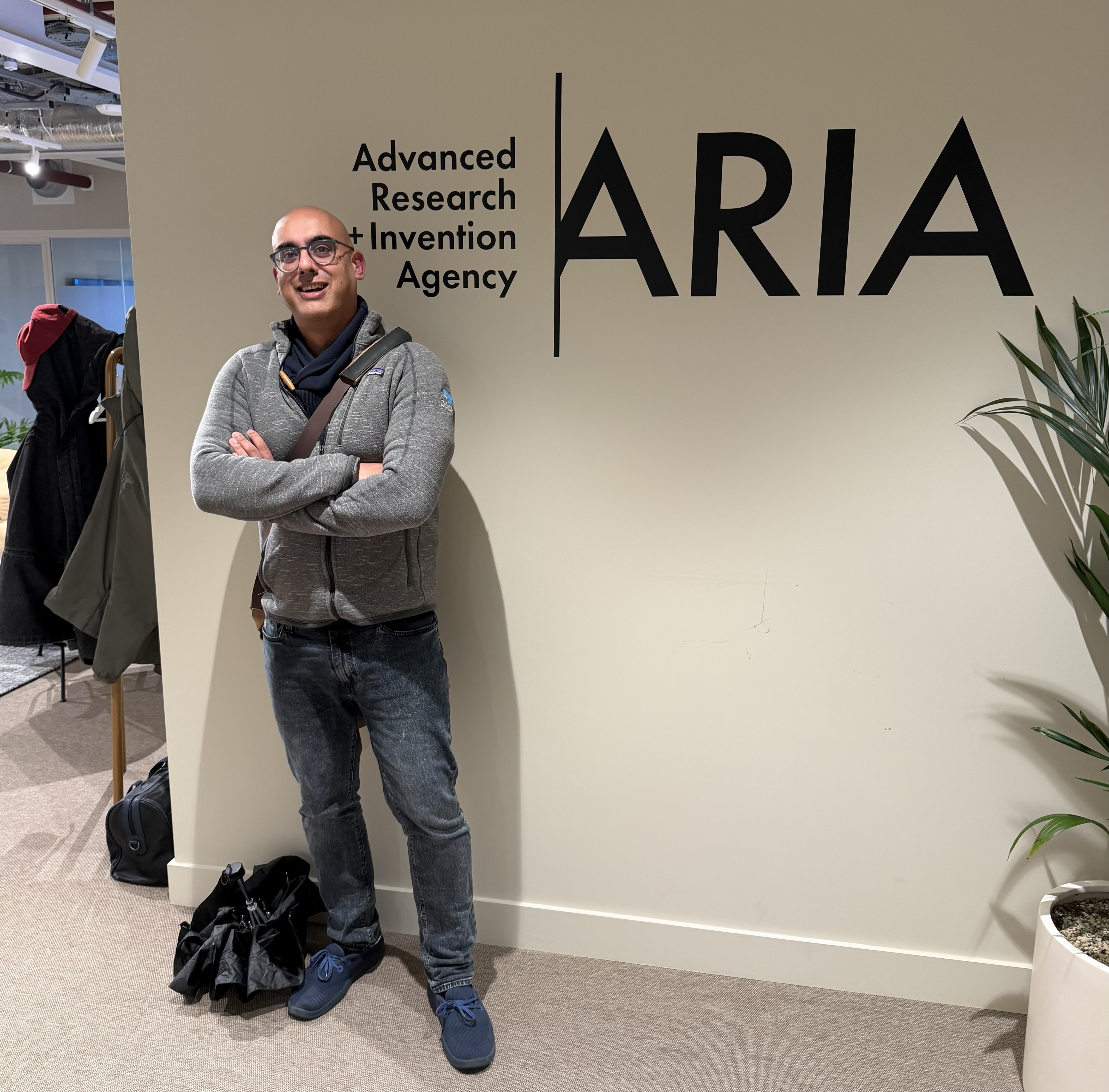
After that I went to prepare for a big talk at ARIA after being invited by Ilan Gur from meeting him a few months ago. I went down with Srinivasan Keshav and Sadiq Jaffer and I gave the talk while Keshav demoed his increasingly brilliant TESSERA Embeddings Explorer and Sadiq showed off his solar panel CNNs and predicting what would grow in the newest season of Clarkson's Farm (seriously, it works great).
3 Nature covers our conservation evidence conference
Nature sent along a reporter to the Conservation evidence conference conference, and she published an excellent piece in Nature on how biodiversity has an evidence problem and approaches to fix it (the latter being most important!).
William Sutherland, a conservation scientist at the University of Cambridge who leads the Conservation Evidence project, says that his team is now deploying artificial intelligence to improve the speed and the thoroughness of the project's process. The ambition is for users to be able to interrogate the data set with a specially designed 'conservation chatbot', meaning practical questions would be answered with a narrative summary and links provided to sources of evidence. The data set would constantly be updated to take account of new studies and retractions, with humans overseeing the process. The concept is described in a preprint that was published last year. -- Biodiversity conservation has an evidence problem — it’s time to fix it, 2025
4 Parliamentary POST briefing
As another followup to the conference, I also got invited by Stephanie Day to give evidence to the the Parliamentary Office of Science and Technology (POST). POST is an office of both Houses of Parliament, which provides independent and balanced analysis of research evidence related to public policy issues. We had a lively roundtable with a breadth of experts discussing the pros and cons of evidence-based approaches and data accessibility for both open models and also conventional publishing, and I'm sure this will make for a good briefing report when completed.
5 Interviewed by the CACM
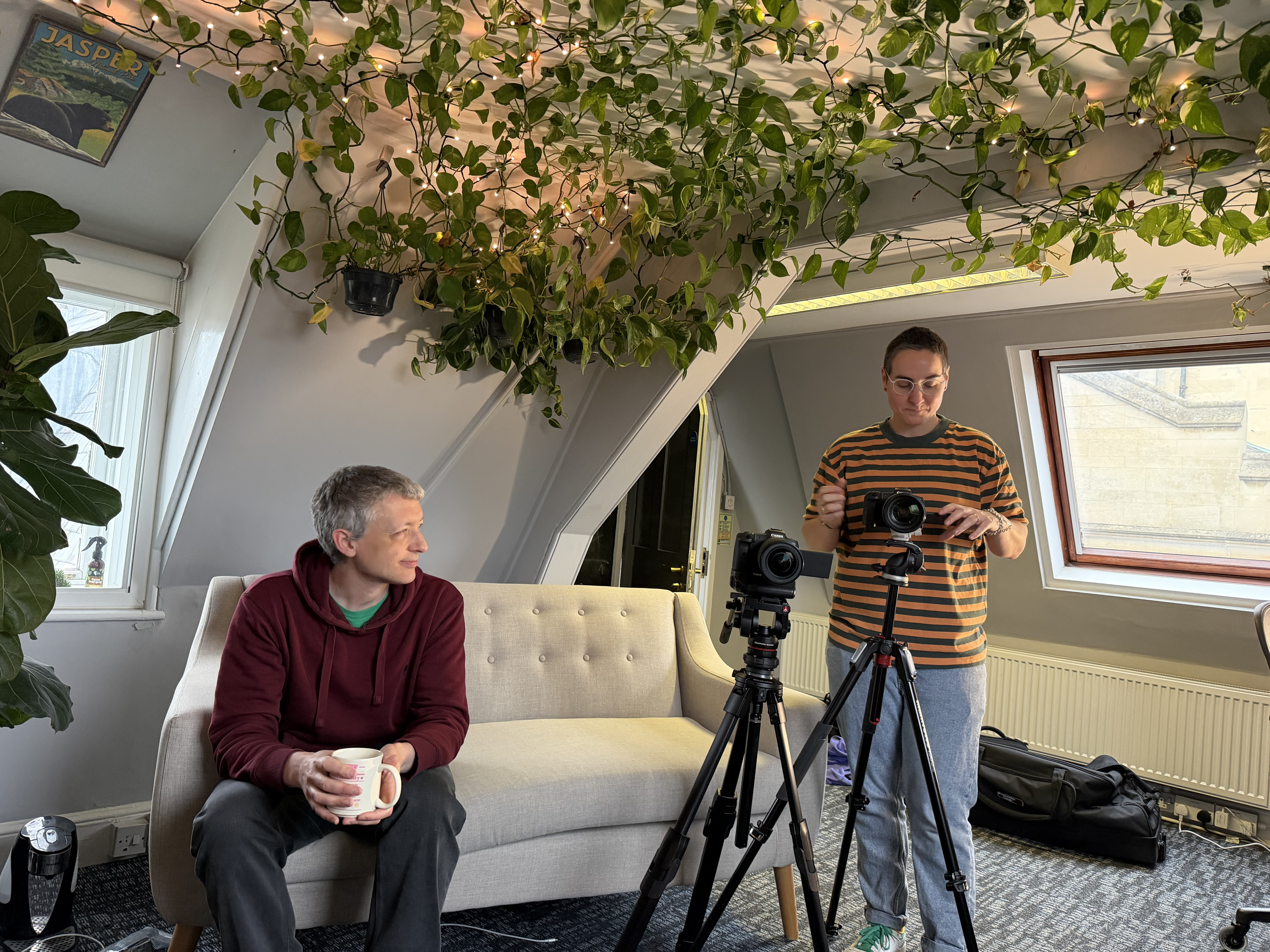
I've got an upcoming article (on the front cover!) of CACM, so Dave Scott and I were actually video interviewed in my office by a wonderful videographer Rosie Powell who did the trek up three floors of stairs with all her kit! More on the article itself when it's out in a few weeks. It was a set of good news for papers all around, with another article accepted to Nature Communications as well after 5 (!) rounds of reviews and probably over 100 pages of responses.
6 Storage storage storage
The week would also not be complete with doing more work on the TESSERA storage array. This time we were busy juggling machines to cope with the influx of embeddings from Vultr which are filling up storage at an alarming rate. There was a bit of drama last month when one of our machines failed; while we didn't lose anything, it took a long time to sync data back. Now, we're building a much more resilient Ceph cluster to avoid a dependency on any one host.
I also managed to do a lot of hacking on oxmono, including porting compression libraries like Brotli, Zstd and Snappy over to OxCaml in preparation for my pure OCaml Parquet implementation. OxCaml is pretty solid so far, although it's inscrutable enough due to being a moving target that Claude's a necessity to work through all the annotated interfaces.
7 Next week
I've got a battery of meetings and followups from ARIA, including a bunch of biodiversity related meetings and also a storage array to fix up! I'm in Cambridge, although the wet and windy weather isn't inspiring to go out and do my running routine...
Fun links:
- I don't really understand the intricacies, but I'm very excited by Jon Sterling working on NewsDrawer and seeing the mac UI come together.