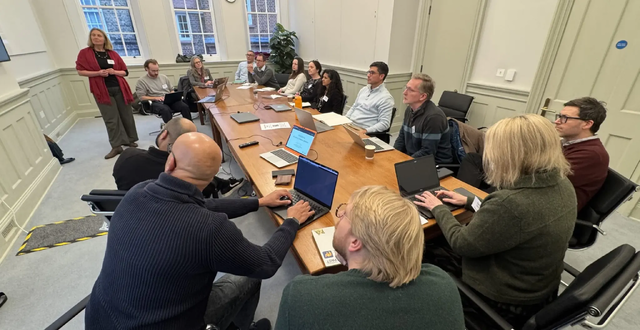
I helped CE host a gathering of evidence champions for biodiversity at Pembroke in late January. The first day was a remarkable closed meeting to sit in on, with the science leads of all five UK nature conservation bodies and the JNCC present! Sadiq Jaffer and I got to present TESSERA to them and discuss more broadly how we could apply machine learning to accelerate nature recovery and preservation across the UK. Read CE's blog series (parts 1, 2, 3) with more details from me next.
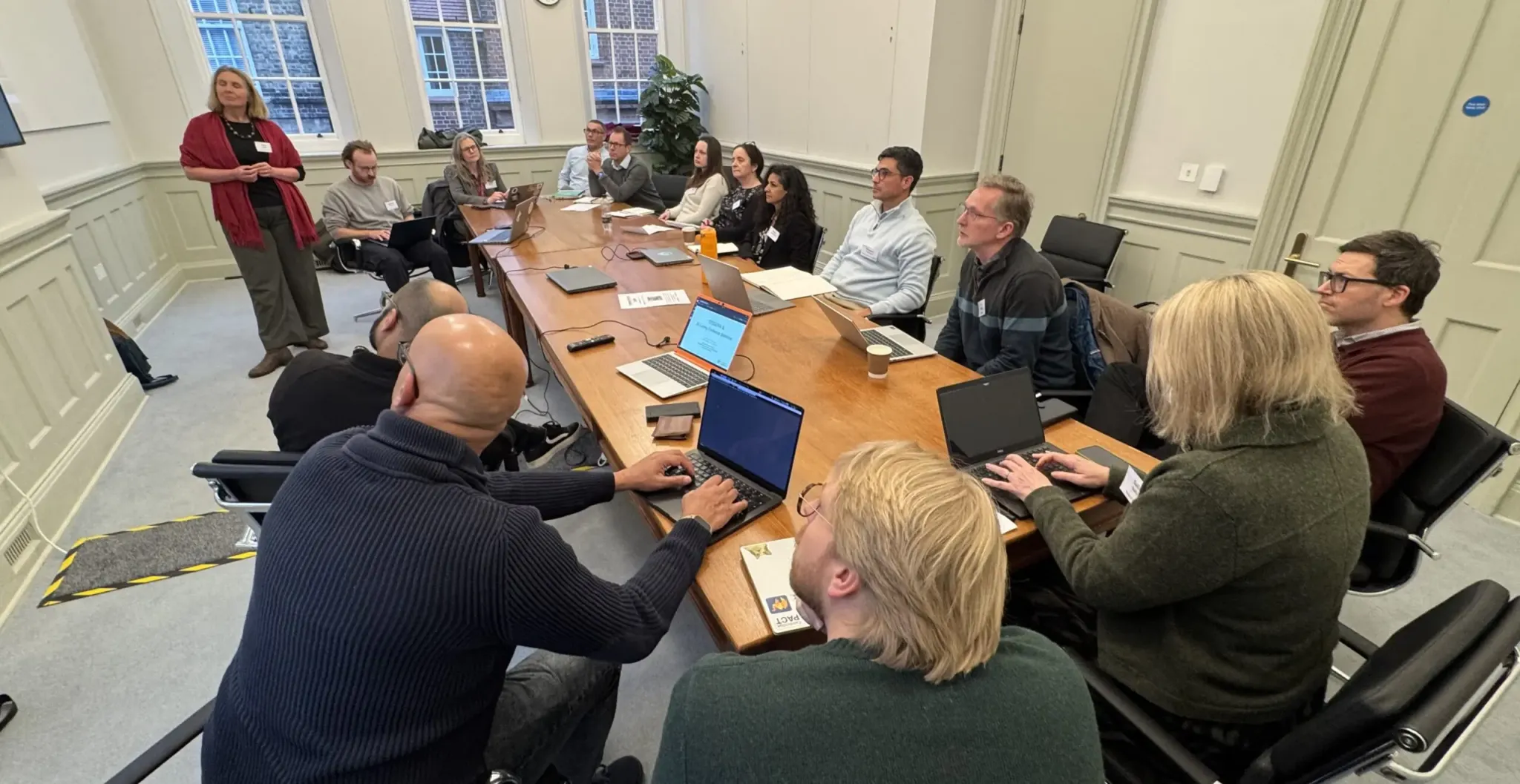
1 Presenting to the Chief Scientists
The first day's meeting of chief scientists was convened by Julia P.G. Jones who recently became co-chair of the new Chief Scientists Group. Julia wrote a fantastic roundup blog post about the goings on:
The presentation resulted in a fascinating discussion about how such innovations may influence the work of the SNCBs in future. The next step is to train and validate downstream models combining existing ground-based data with the embeddings. The hope is that this would allow us to interpolate datasets between sampled locations and then ask larger-scale questions about ecosystem change and the impact of interventions for a wider range of outcomes than is currently possible. Such understanding is crucial for so many applications. -- Could geospatial foundation models help improve conservation effectiveness?
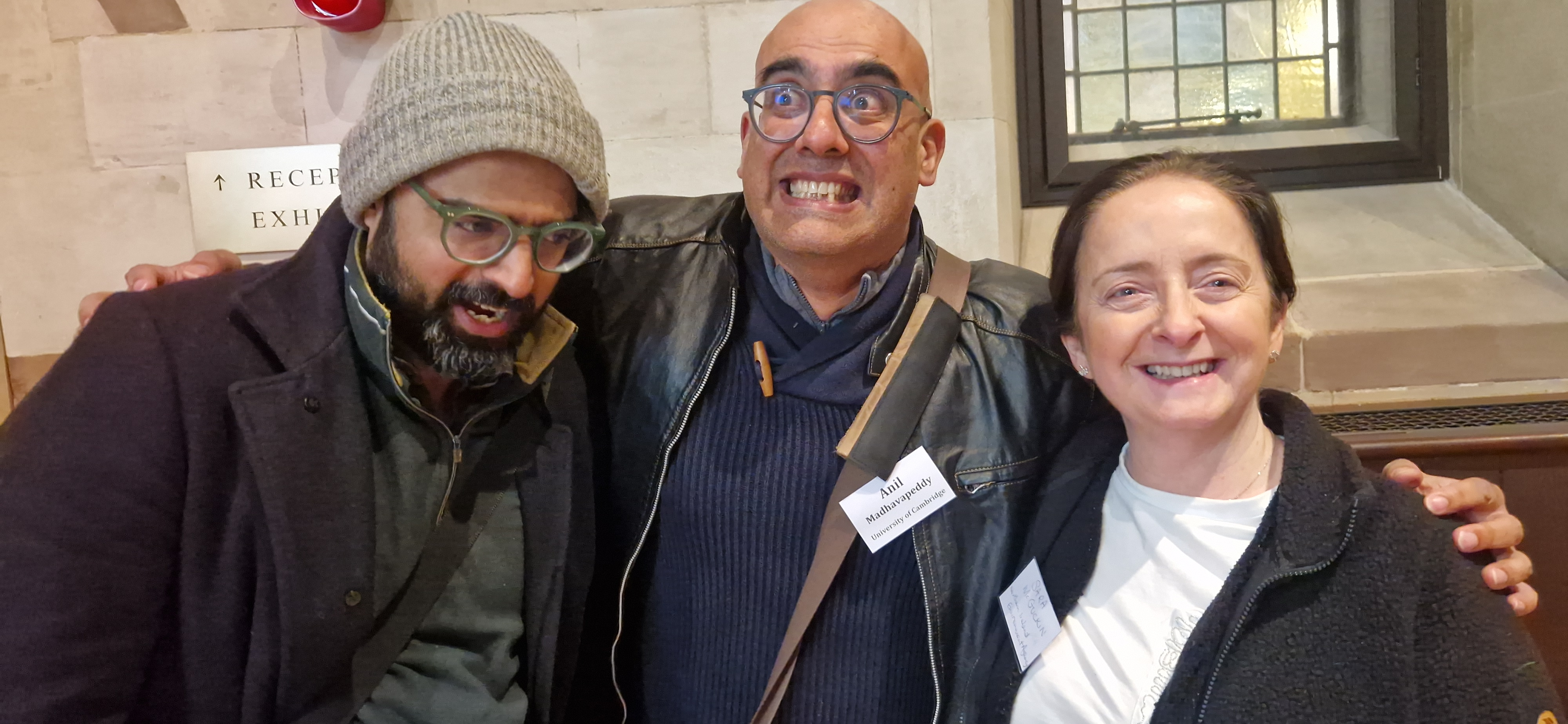
It was a real honour to be able to directly discuss our research with this group, with me personally finally getting to meet Dr Sara McGuckin, from the Northern Ireland Environment Agency (NIEA); just round the corner from where I went to school! I showed her Patrick Ferris's work on mapping NI trees as well and really want to get around to doing a TESSERA version soon.
2 Conservation Evidence Conference at Pembroke
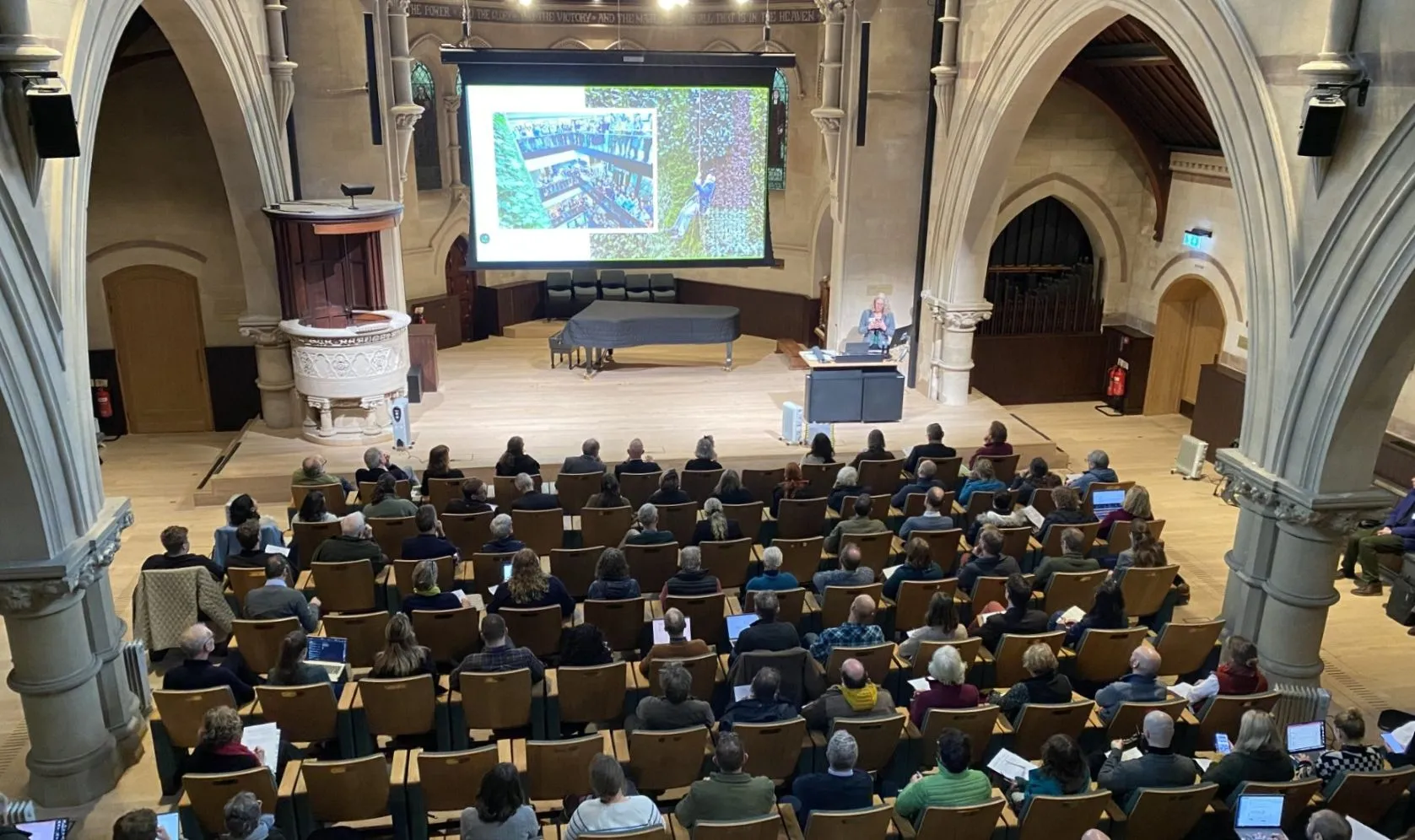
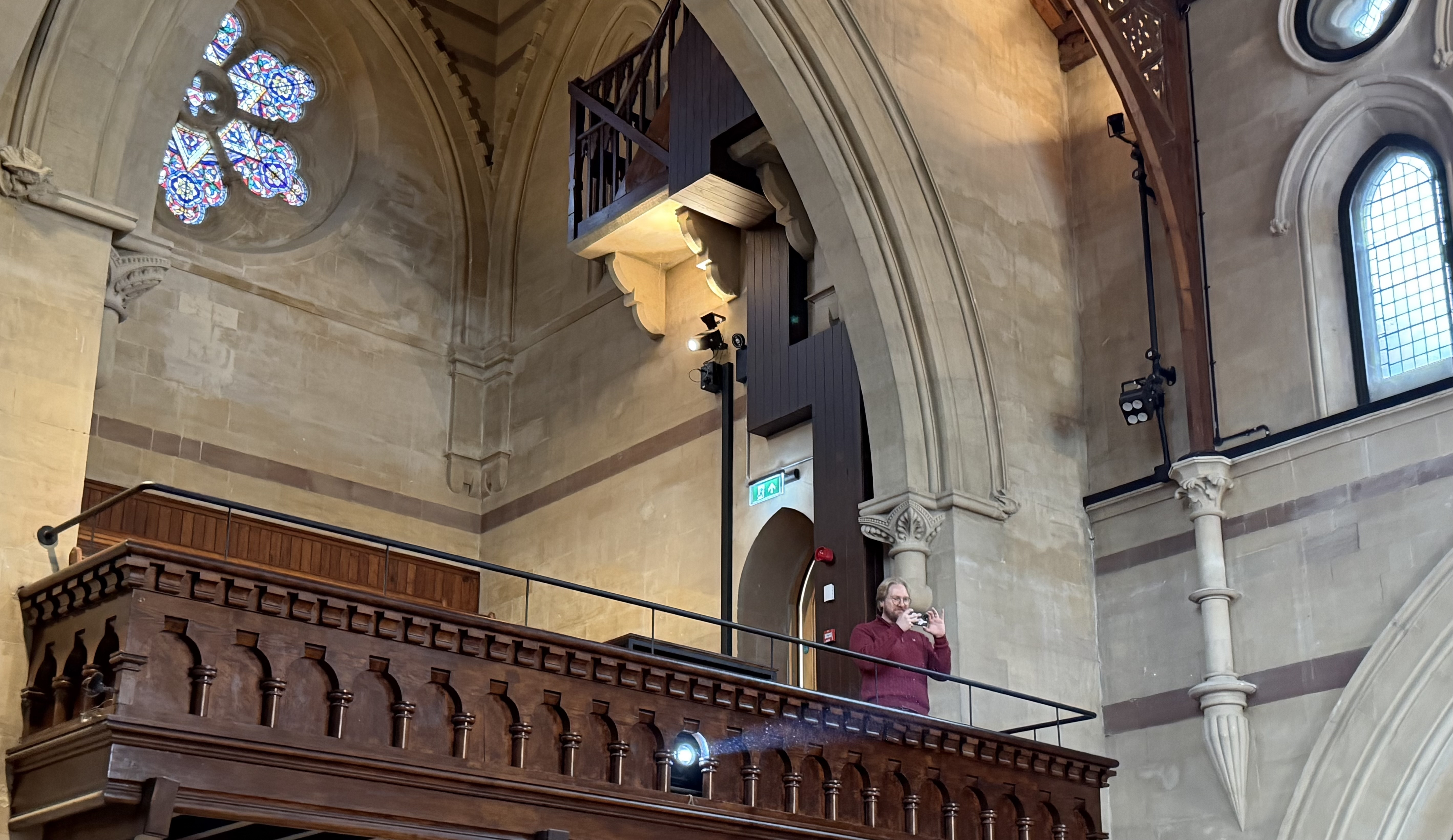
The second day was held in the new Pembroke Auditorium, which was as always a gorgeous venue. The district heating system failed on the day, and it was unfortunately close to freezing. Luckily the hardy conservation community didn't complain even once; this was just another day in the outdoors for them. Bill even rallied everyone with his famous bell!
The CE blog published a comprehensive roundup of all the talks with a summary of takeaways for funders. All of the talk recordings are available on CE's Youtube channel and I also mirrored them ad-free on our Watch EEG channel if you are more Fediverse oriented.
I'm going to highlight three talks here, but only because they're relevant when viewed together -- if you're interested in this then all of the talks were of high quality and worth your time to watch!
2.1 Bill Sutherland: Evidence-based conservation: progress and challenges
Bill's talks are always a must-watch, and this one combined nuggets of evidentiary falsification (bird nest box designs turn out to be entirely suboptimal) vs a basic optimism that evidence based conservation is steadily becoming the norm rather than the exception.
2.2 Julia PG Jones: Biodiversity conservation's causal revolution
Julia's theme was on choosing the right design for the vastly growing quantities of biodiversity data. She focussed on remembering that "assumptions are everything" and the importance of upfront design combined with with post-project evaluation to avoid a causal soup of data that's difficult to reconnect.
2.3 Red Pill or Blue Pill for Conservation?
And last and least, I got to talk about some of our recent advances in using AI for conservation, such as TESSERA and the Conservation Evidence TAP. Before that though, I opened the talk with my thoughts on the basic choice facing conservation this year. AI is here to stay, for good or for evil, and the entire field has to cope really quickly. The easy (blue pill) would be to simply use off-the-shelf chatbots for decision-making, but be unable to reproduce or trace the provenance of outputs from the black boxes. The harder (red pill) is to engineer open and traceable processing pipelines which can filter out AI poison and give sovereign decision making capability to governments. And of course, all the work we're doing is as open as we can make it. Watch the talk to learn more!
3 Fun Photos
The conference was a very intense two days indeed, but it was brilliant to see the Auditorium so full of enthusiasm and desire for effective action.