
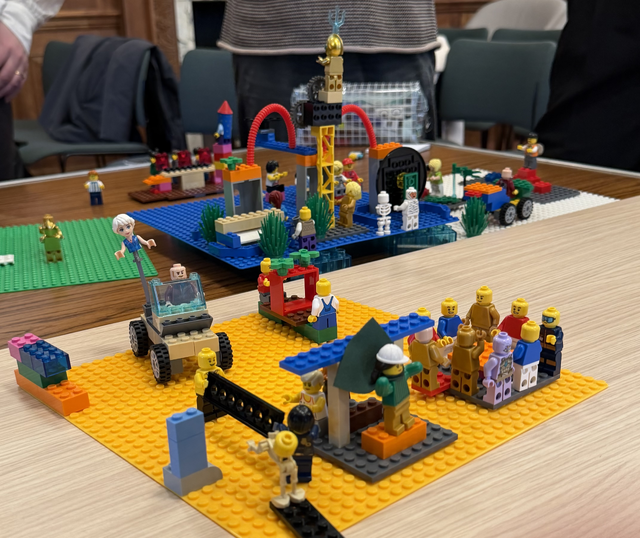
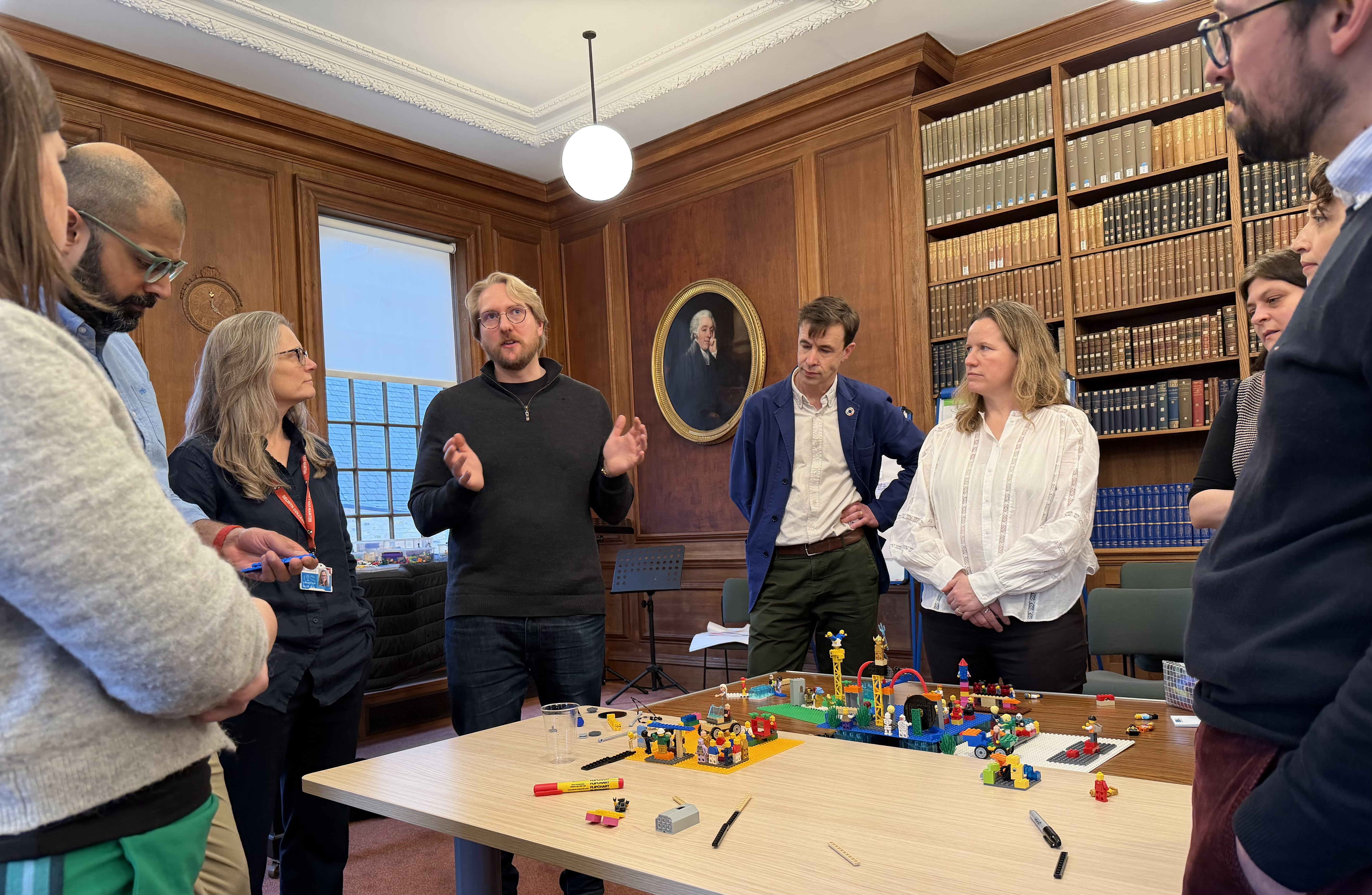
The week was dominated by having to sort out yet another 300TB of SSDs to grow our Ceph cluster, as the TESSERA embeddings being generated on Vultr are even more optimised and being spit out at a rate of 4TB per day. But I did get around to playing with Lego as well!
1 TESSERA
I released a minor release of geotessera 0.7.x to speed up the startup time of the library, now that we have so many embeddings generated (doi). Srinivasan Keshav has been knocking up a beautiful TESSERA Embeddings Explorer which is now Dockerised and so is running on my laptop, perfect for demos on the fly! He noticed the TEE startup time was slow and reported it, and I undid a hack I put in to support Windows better by picking a simpler way to manage coordinate transforms.
Also saw an excellent post about what makes TESSERA a blueprint for other EO models from Rakshith Santish. I'm glad he enjoyed the ablations!
2 Storage and OxCaml
Mark Elvers and I are getting more comfortable with using Ceph to manage all the TESSERA embeddings, and Malcolm Scott helped us to wire up a bunch of old machines donated by Jane Street that we can use to distribute them. We now have multiple large storage blobs that we're consolidating, ranging from TrueNAS mirrored storage (from the 4C days) over to a backup Ceph cluster at Scaleway (kindly sponsored by Tarides) and also the OCaml infrastructure and documentation generation that sucks up our maintenance time.
Meanwhile, use of oxmono for our OxCaml infrastructure is working extremely well, and I'm solely using that with worktrees and branches to deploy services now. The OxCaml compiler is rock solid and with a monorepo, managing packages is a breeze. Jon Ludlam is also using it to fix OxCaml doc generation which will be extremely useful for agentic coding (since the agents can read the generated docs to determine if the interfaces are 'good' or contain lots of hidden modules and other bad practise).
dune exec takes about 3s to initialise on my laptop from scanning all the dune files. I'll investigate some ways to speed up this, as the Dune cache doesn't help much until all the dune files have been parsed.
It was also good to see other OCaml projects progressing: Mark is getting more familiar with OxCaml performance and the OCaml TIFF library in Outreachy is going well. I hope to use this soon in TESSERA-oxcaml...
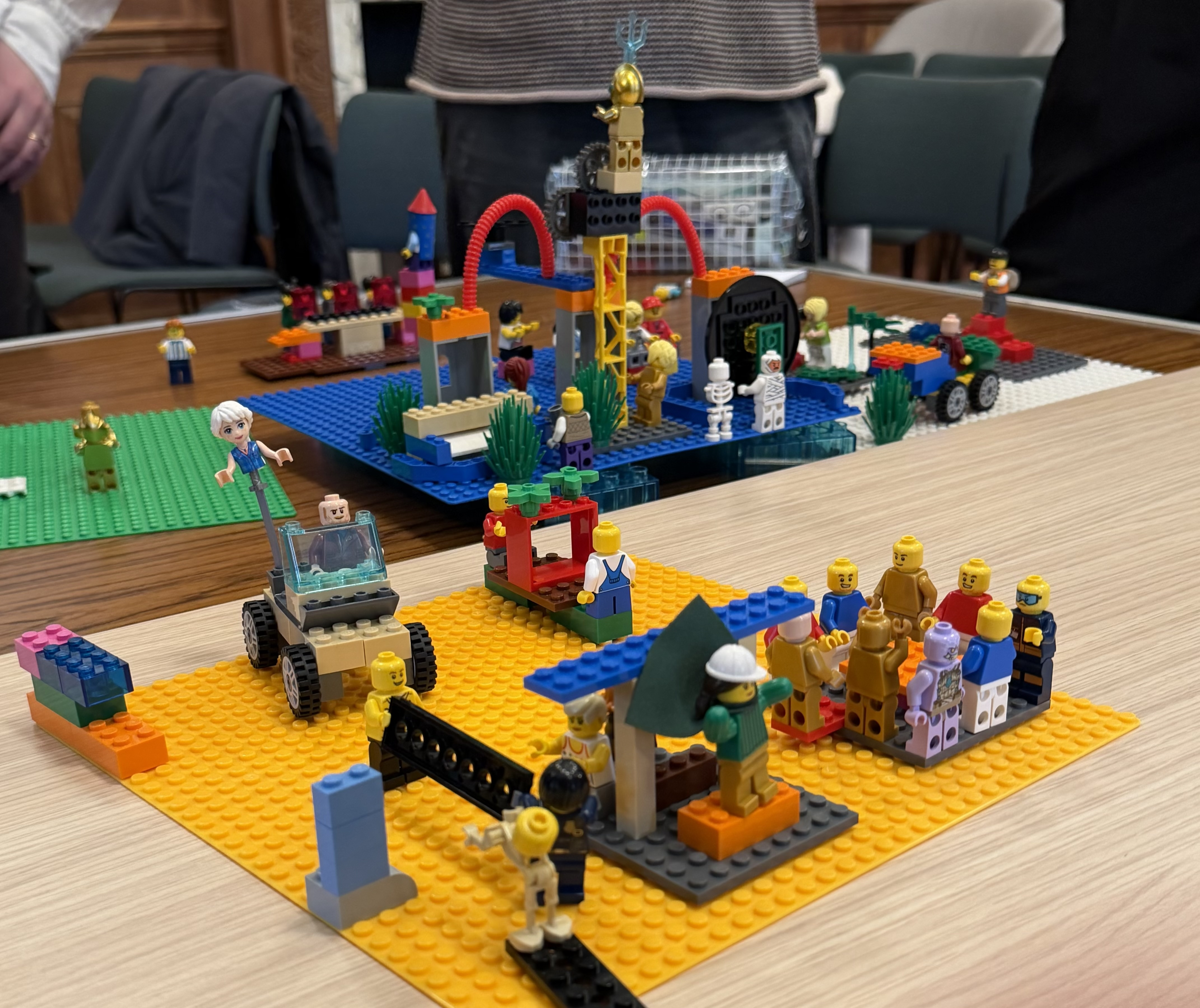
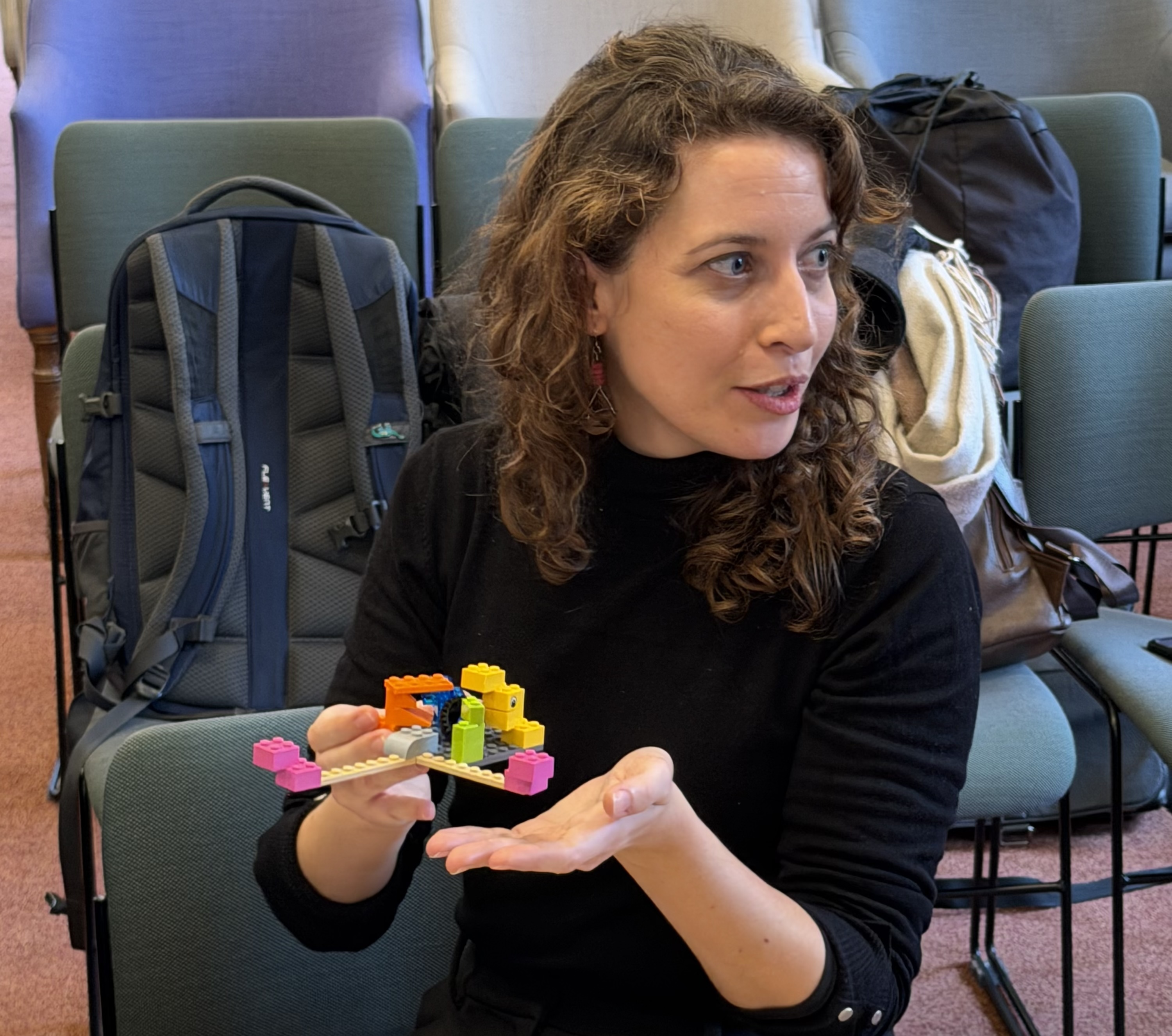
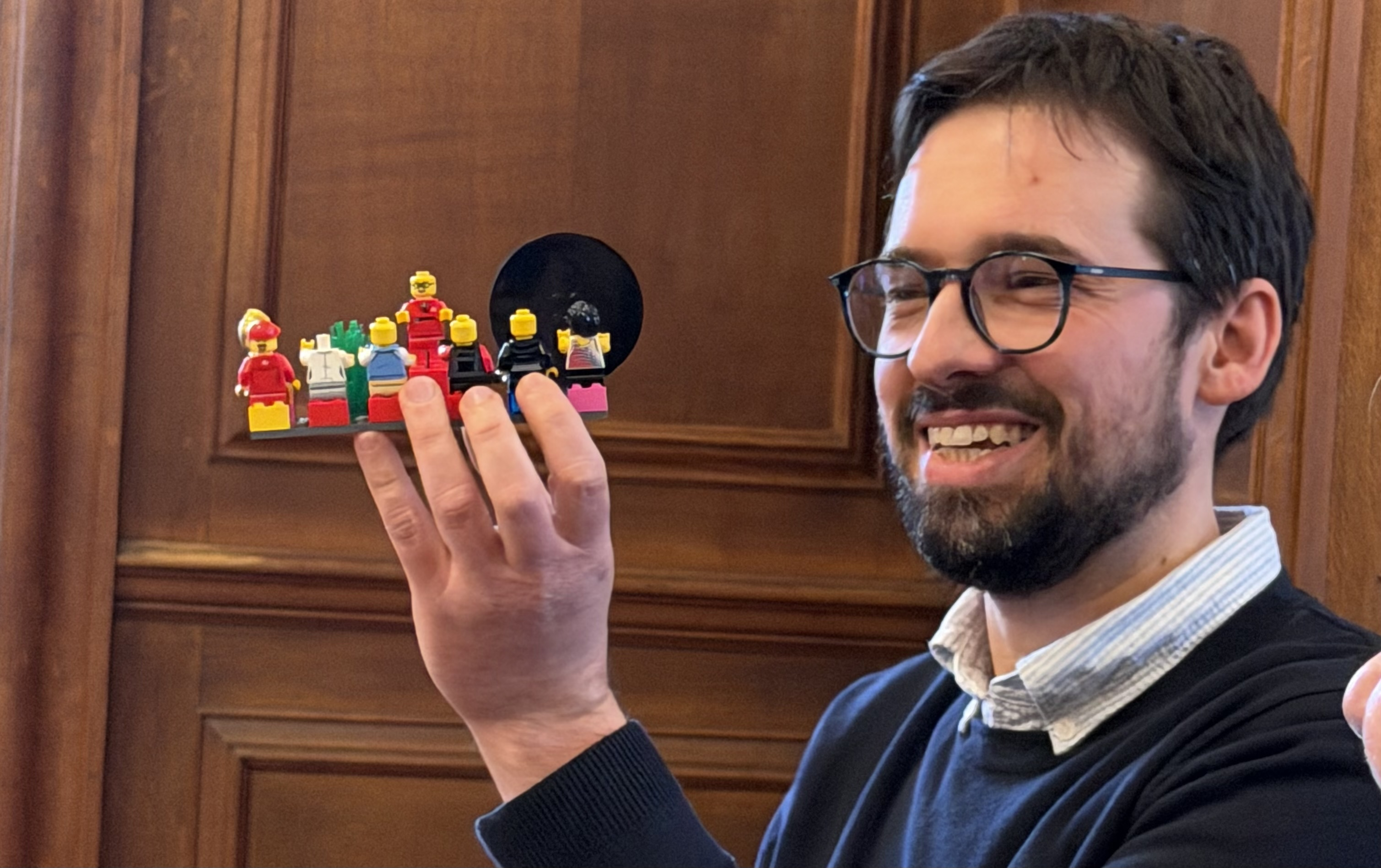
3 Lego for the evidence TAP
4 Echo
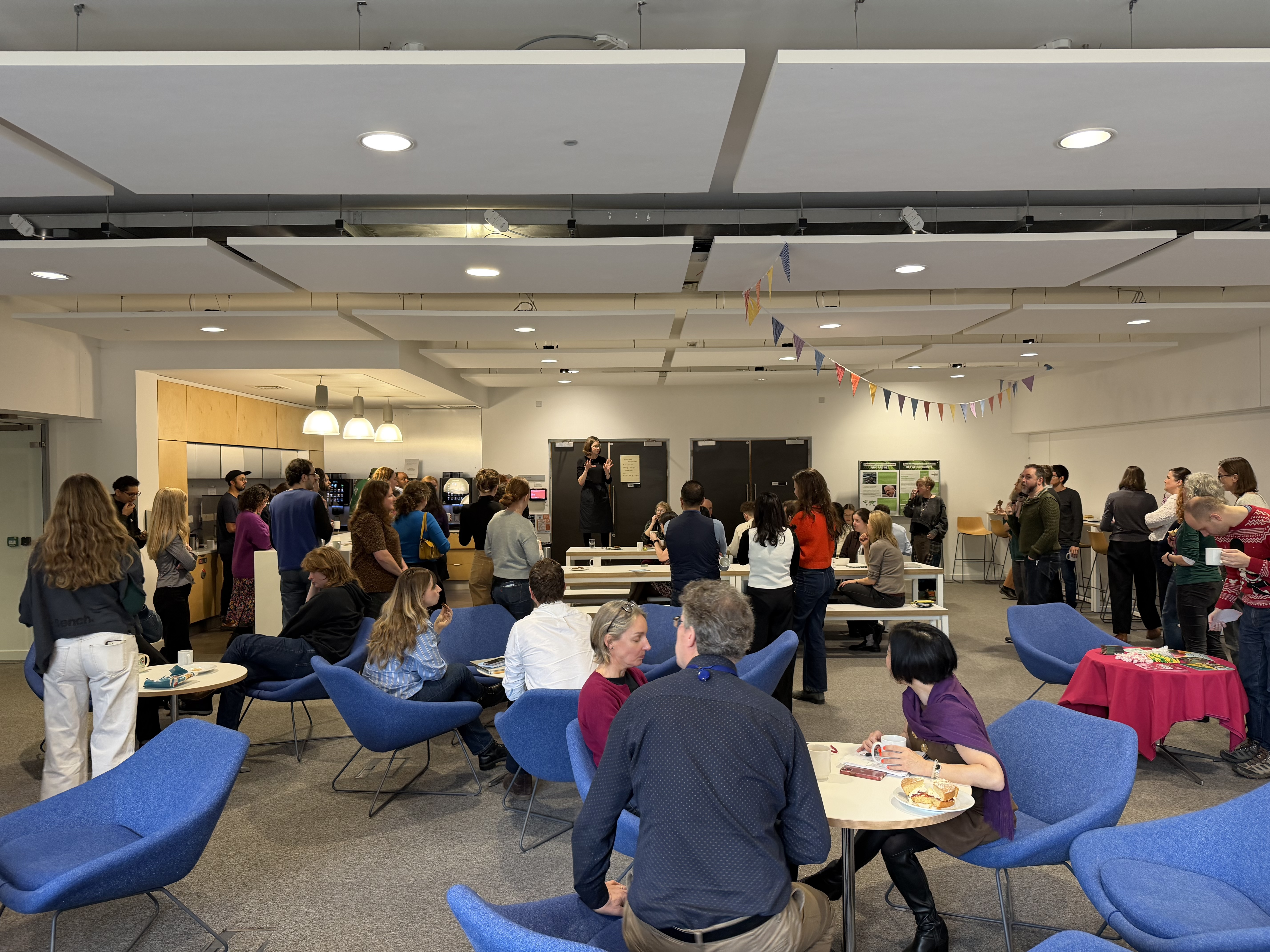
After last weeks talk at ARIA, I enjoyed hosting the founders of a new focussed research organisation called 'Echo Labs' funded by ARIA who are doing very ambitious things with AI and biodiversity. More on what they're up to after they officially launch, but I was hugely impressed with their drive and focus to deliver near term impact. I hope we will continue to build collaboration with them as part of our Centre for Landscape Regeneration.
5 IUCN Red List
Shane Weisz continued his storming first year PhD by giving a fantastic EEG seminar on his PhD work to date on speeding up RED List assessment. He's off to the inaugural Conservation Technology Conference in Peru next week to speak about this work there as well, which should be most exciting (and hopefully filled with much birding). We decided to codename the overall dashboard effort as "Enki".
On the Enki storage topic, I've been working on syncing GBIF locally as Parquet files (about 9TB) so we don't need to hammer their API. But I noticed that the AWS Open Data hosting hadn't been updated for six months, but a single Bluesky post was enough to get GBIF's attention and they fixed it within days. Props to them for being so responsive, but it's also interesting that almost noone else seems to locally copy the data regularly.
6 Reading
Simon Peyton Jones pointed me to his friend Julian Allwood's new book Promise the Earth: A Safe Climate in Good Faith which I picked up from the CUP bookstore. It's an intriguing book in that it's written by an engineer and a theologian, and makes t he argument that restraint is the only way forward.
This brilliant book makes the case that rational self-interest alone will not bring about the radical changes to the world economy required to protect our children from the climate breakdown that is coming. The role of faith and compassion has historically played a major role in the way that people cooperate and plan for the future; this persuasive book makes the case that it is needed more than ever. -- Review by Professor Mark Miodownik MBE FREng, 2025
7 Next week
Jon Ludlam finished off undergraduate exam questions for Foundations of Computer Science and I am going to do a review on them -- the only teaching thing I am doing this sabbatical year.
On Monday, I'm jetting off to the India AI summit in Delhi and to see some relatives for the week. I'll be back in Cambridge on Friday to host Shriram Krishnamurthi who is passing through on sabbatical. Very excited to see him again to continue our ICFP conversations about teaching!
Also the third outing of PROPL has been accepted to PLDI 2026 this summer, so I'll be helping the new chair Cyrus Omar prepare the PC invitations and roundup the deadlines for submissions.
Some fun links:
- Results from the Advent of FPGA Challenges: the diversity of results was hilarious, with my favourite being the ones who TAPED OUT a PCB or an IC. Incredibly impressive and not what you might expect.
- Is OCaml the only user of Windows native Docker containers? because it sure feels lonely out there. We deployed them years ago, but they're flaky and slow and everyone's using Linux anyway. I feel that once Windows cross compilation is solved we'll never look back at Windows native toolchains, although David Allsopp may disagree as he makes OCaml's toolchain ever easier to deploy. But even David can't fix Windows nanoserver..
- Big up to
chasewnorton, zero-day vibing like mad with 100 PRs on a codebase no living being understands.