It's been a busy term in Pembroke College, with lots of events happening. I get asked quite often 'what it is that Cambridge Colleges actually do', so here's a sampling of three very different events this term!
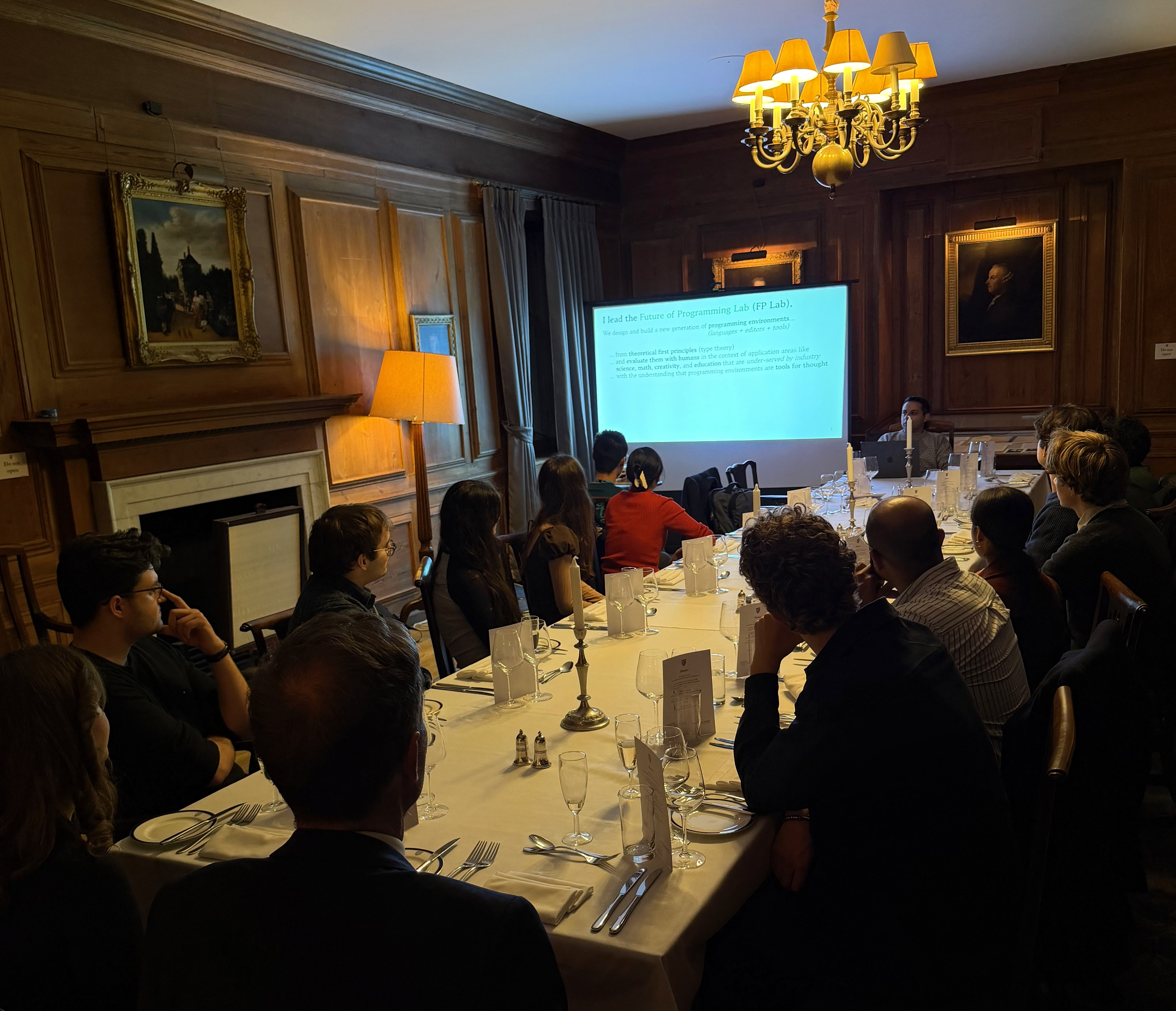
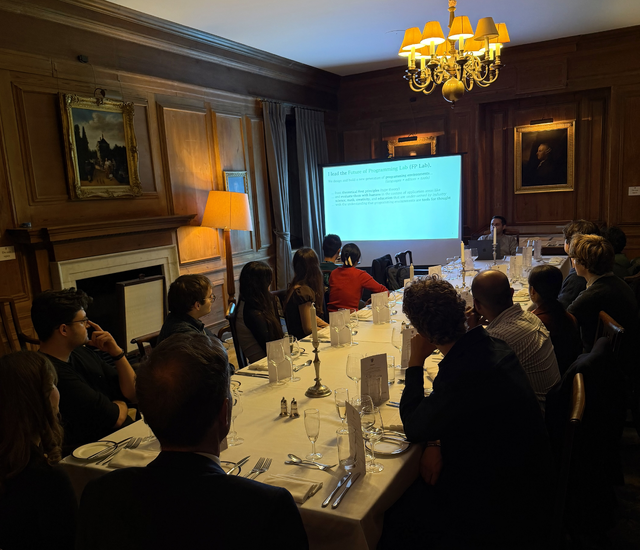
1 Pembroke Computer Scientists subject dinner
We have around four computer science undergraduates per year group, as well as masters and PhD students, which makes around 20 Pembroke students. I'm one of the undergraduate Directors of Studies for the subject alongside the wonderful Carl Henrik Ek and Amanda Prorok. We organise the day-to-day subject supervisions which are a distinctive part of Cambridge study life.
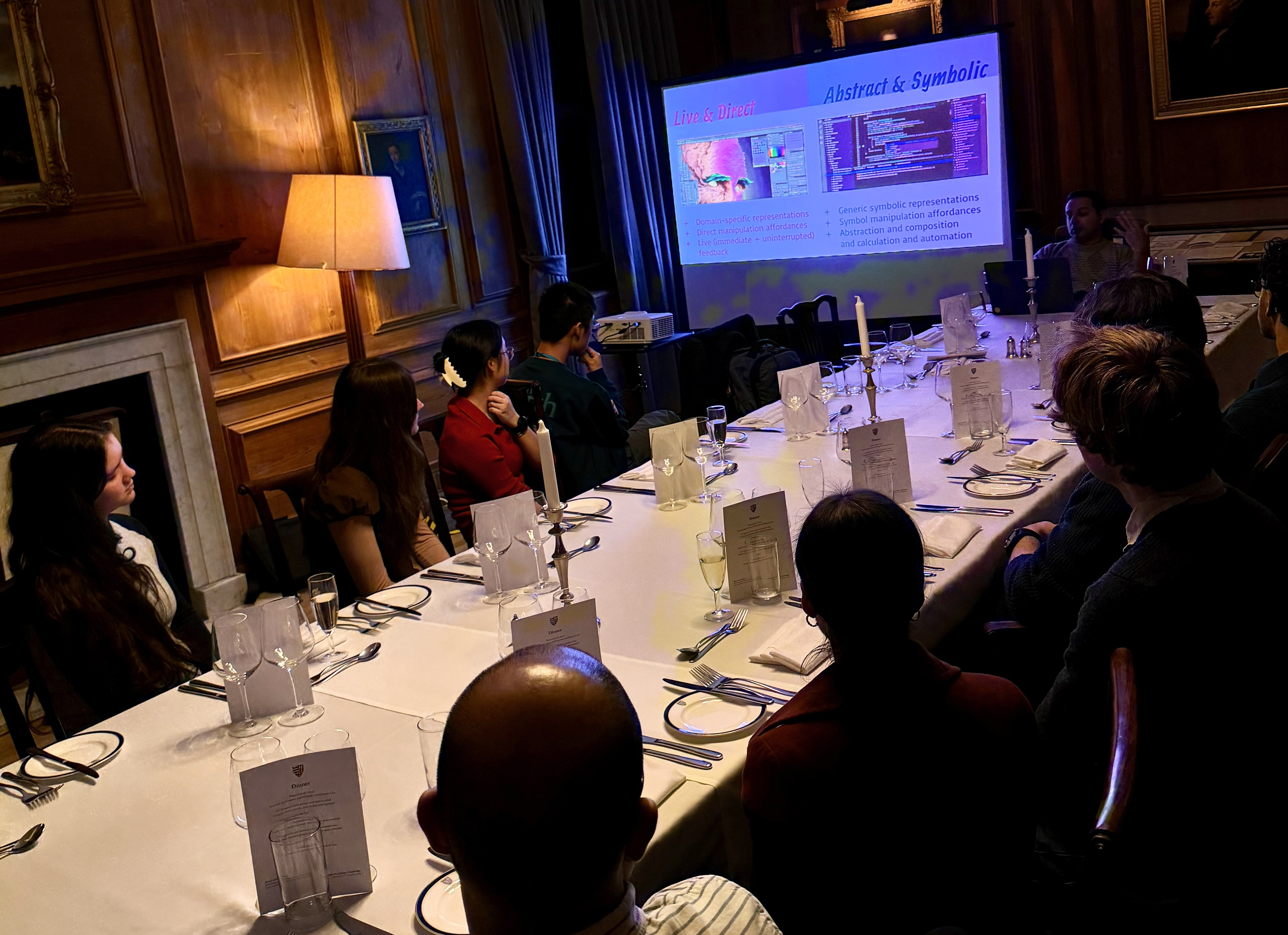
We also held our first subject dinner of the term last week where we convene as a group. For these events we usually invite a guest to give us a brief talk that we then discuss over dinner. This year we are lucky to be hosting Cyrus Omar for the whole year as an Associate Scholar at College, and so he delivered the pre-dinner talk. Cyrus specialises in 'live programming', and he took us through a tour de force of live demos of how to build logics that update as you type them, and also encourage thought rather than requiring a lot of factual recall.
We also congratulated three of our undergraduates who have had papers accepted in international conferences recently. Sophia Chiang published a paper on whether robot-led support conversations align with human therapists, and Arissa-Elena Rotunjanu and Beatrice Spence had a talk accepted on their insect scanning rig at ZoologyCon 2026 in November. Well done everyone!
I was also a little shocked to hear from the undergraduates about their recent experiences applying for internships. Apparently a very large majority of the screening interviews are now with no human interaction and are pure AI-driven coding interviews, often with several rounds of screening before they ever talk to a real person. This seems like a terrible, terrible way for our youth to be spending their time, but they're left with little choice due to how competitive the available roles are.
2 Pembroke samosa socials in the Reading Room
As the Evidence TAP project picks up speed across Education, Computer Science, Zoology and Plant Sciences, it's been obvious there's a need for inter-departmental dialogues that go beyond our regular group meetings. I therefore contacted our wonderful catering manager Nina Rhodes at College, who offered to supply us with a healthy dose of samosas (everyone loves a samosa) and proper chai as the winter chill sets in.
I then invite all of my colleagues from across the departments on a weekly basis to join Sam Reynolds, Mélanie Gréaux, Sadiq Jaffer and Eleanor Toye Scott -- the senior postdocs on the project -- and me and the other professors to just hang out and get out of our regular comfort zones. I encourage people in the invitation to think about long-term directions for our research across groups, but also short-term things we can do today to help guide the tsunami of change occurring right now due to the impacts of AI on society.
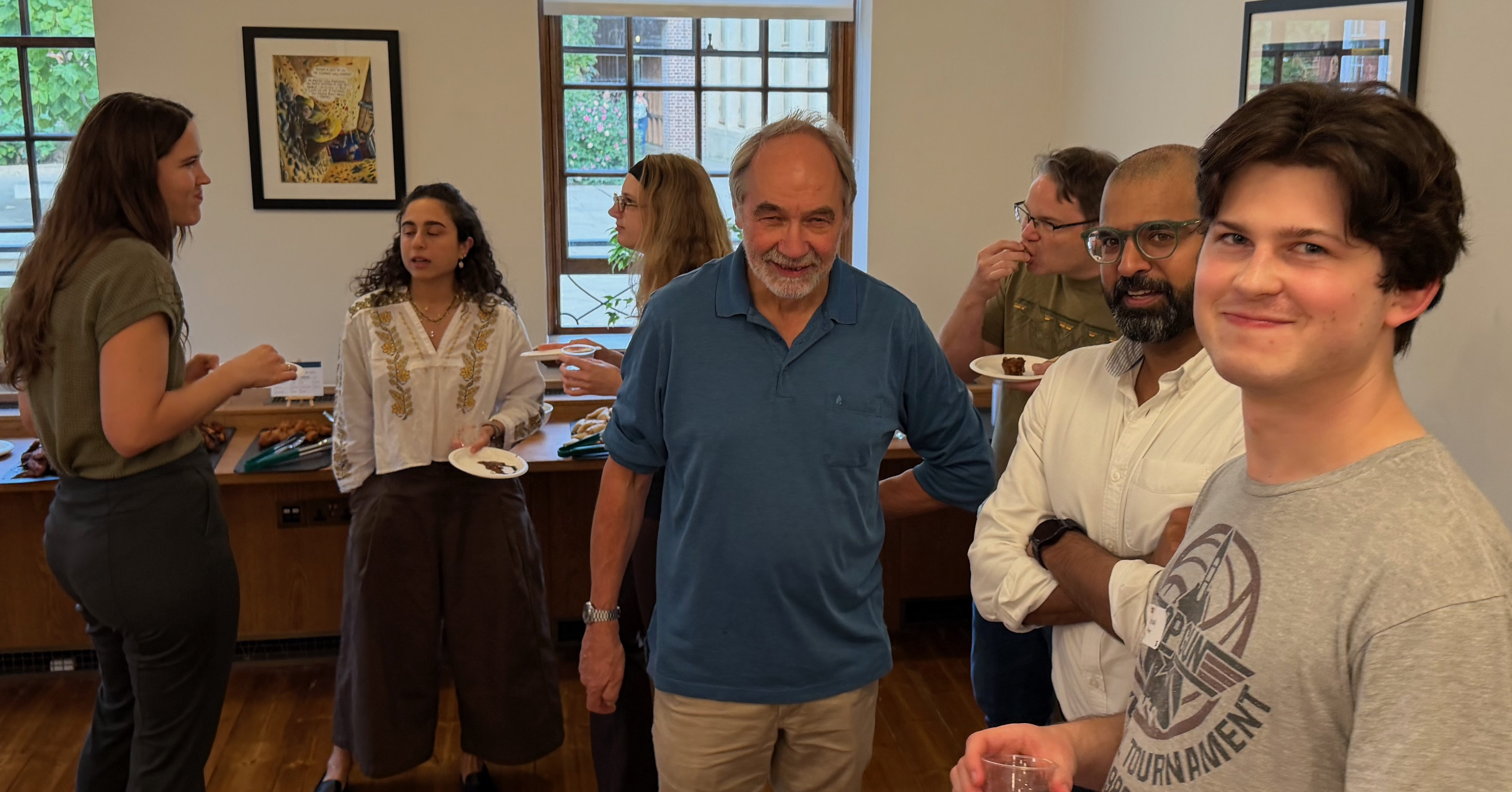
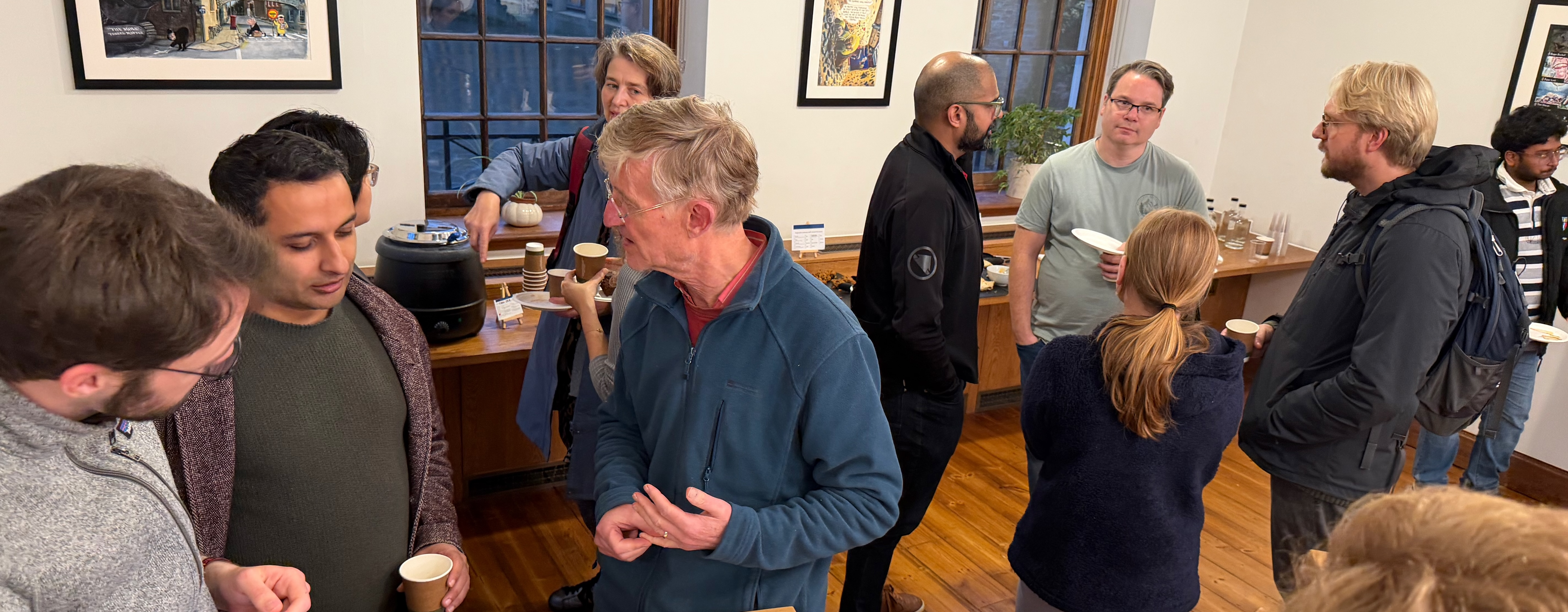
The first four weeks have been successful beyond my expectations! I invited about 80 people, expecting about 10 or so to show up weekly. Instead, the room has been packed with 30-40 people most weeks, with the number of samosas having to be increased to cope. Discussions have been equally wide-ranging: we've had fundamental restructuring of climate change cooperation on the agenda, as well as applying the conservation copilot to our beloved River Cam, to how planetary wikis might reshape policymaking if they were as easy to use as WhatsApp, and also learning that salt marshes are super cool habitats that can be found just next door in Norfolk.
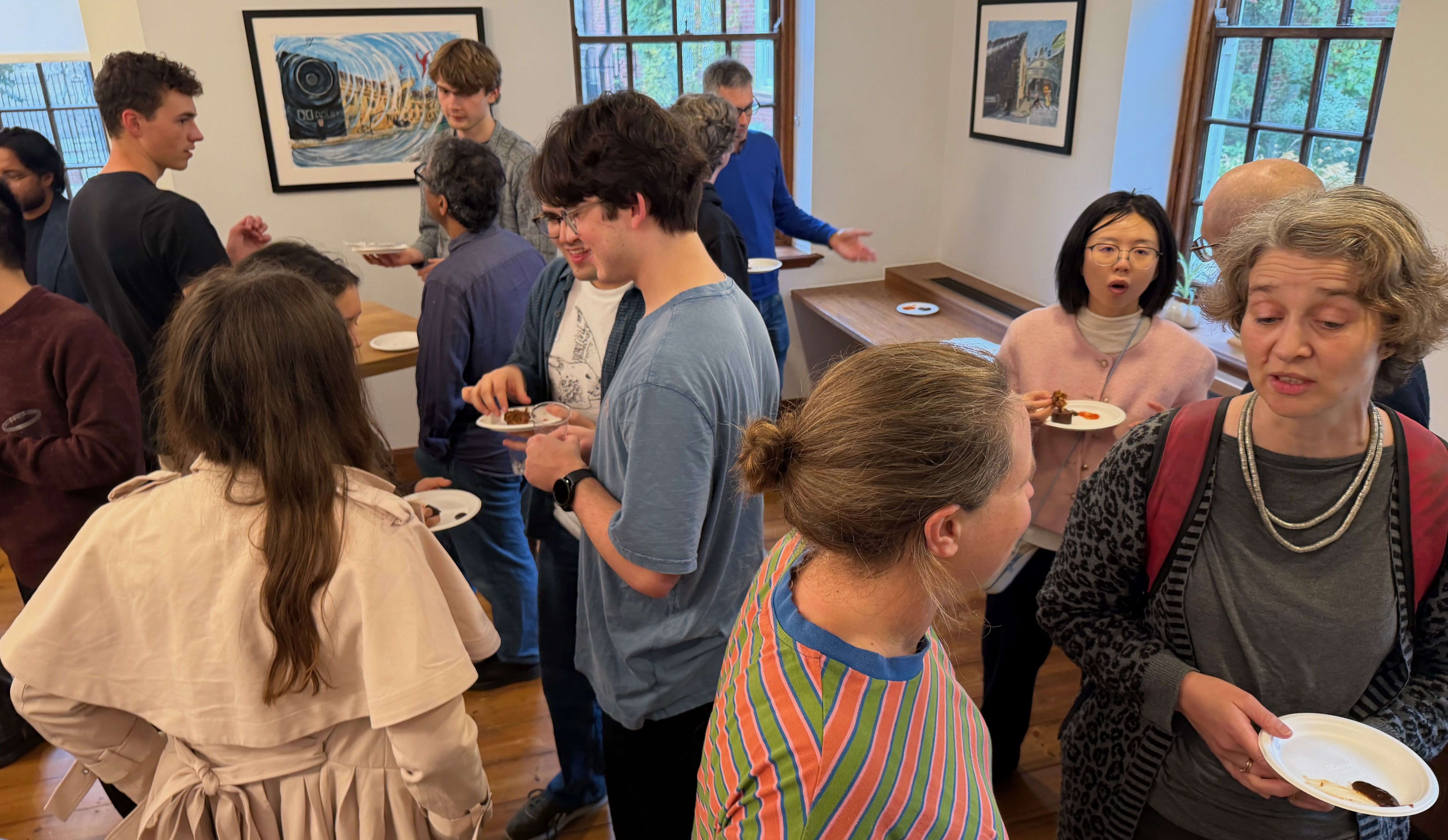
We had representatives show up from the Centre for the Study of Existential Risk, from the Centre for Human-Inspired AI, from archaeology and history and philosophy and even bellringers. It's going so well that I wonder if we need to have recommended reading lists to get people's creative juices flowing even more. And all this conversation is without a hint of any booze, as the chai is working wonders!
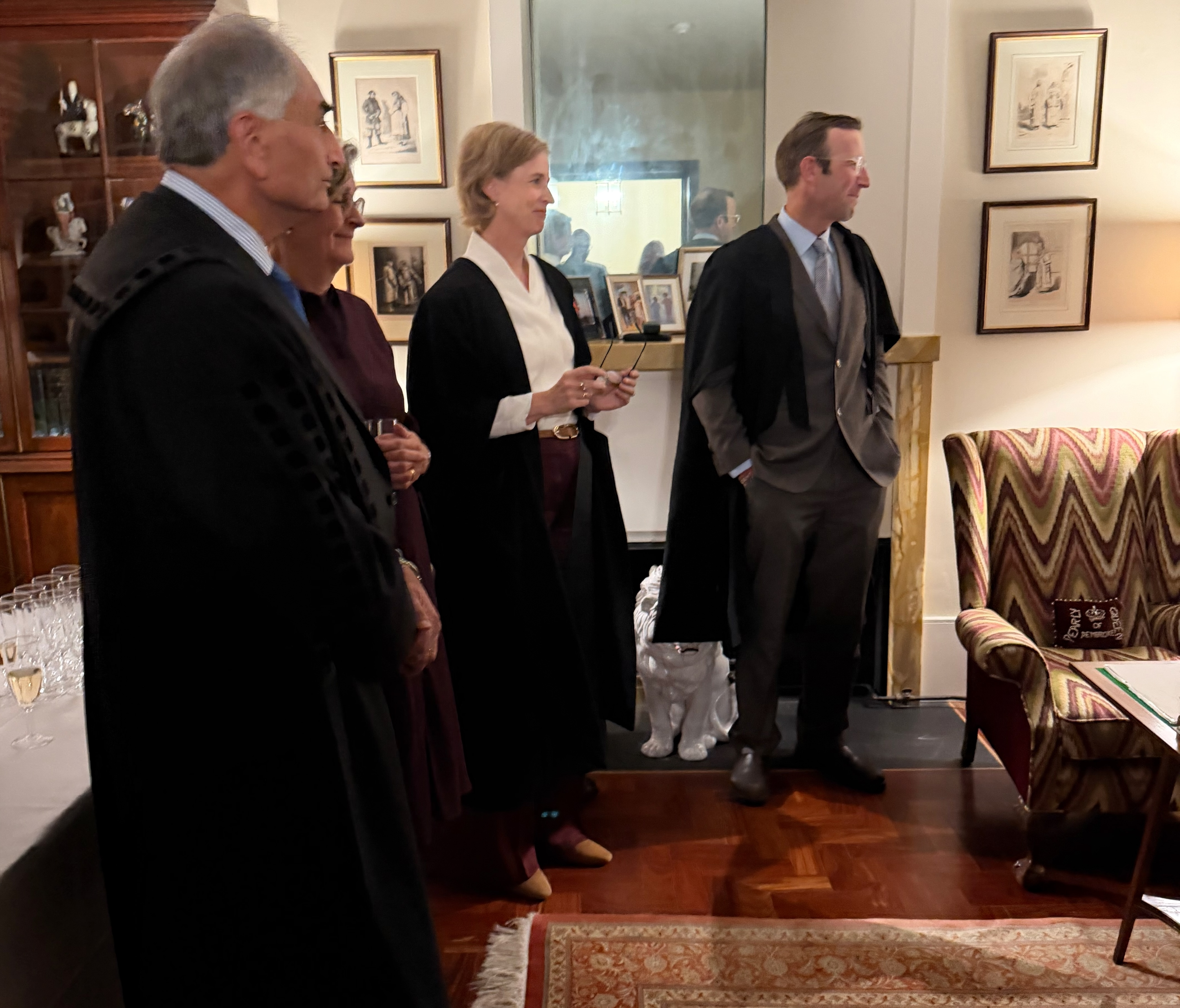
3 Pembroke honorary fellows with Rob Macfarlane and Raj Thakker
And last but not least, we admitted two new Honorary Fellows to College who I had the pleasure to dine with. This is a class of Fellowship granted to former members of College (in this case, both former undergraduates) who have greatly distinguished themselves in their careers. Professor Raj Thakker is a doctor who has advanced the treatment of endocrine tumours, kidney stones and several bone diseases, and made the trip all the way from Oxford for this dinner!
I was delighted to meet Rob Macfarlane, whose book Is a River Alive? was my Christmas reading. It's an incredible dive (pun intended) into the cultural backstory behind almost any body of freshwater, ranging from the Ecuadorian rainforests to Cambridge springs to Australasia and India (Chennai!). Rob was as erudite and effusive and passionate about environmental protection as anyone I've met, and I came out of the dinner triply energised. He is also delivering the mammoth Reith Lectures this year on the four elements, with the fire lecture happening in a couple of weeks. A must-watch!
4 Colleges are a wonderful little community
We also do bigger events of course, like the meeting of chief scientists earlier in the year or the AI evidence synthesis workshop, but I thought I'd highlight some others here that are a bit off the beaten path.
A lot of these events serve a simple purpose: to let us mingle across generations and expertise, with the flexibility to use our judgement towards both delivering good ideas to the world and the creative destruction of bad ones. It's a rare privilege, and it's why I love my job very much, even if it's completely knackering at this time of year. Speaking of which, time to prepare for the next Foundations of CS lecture tomorrow...