1 Attenborough at 100 in Norwich!
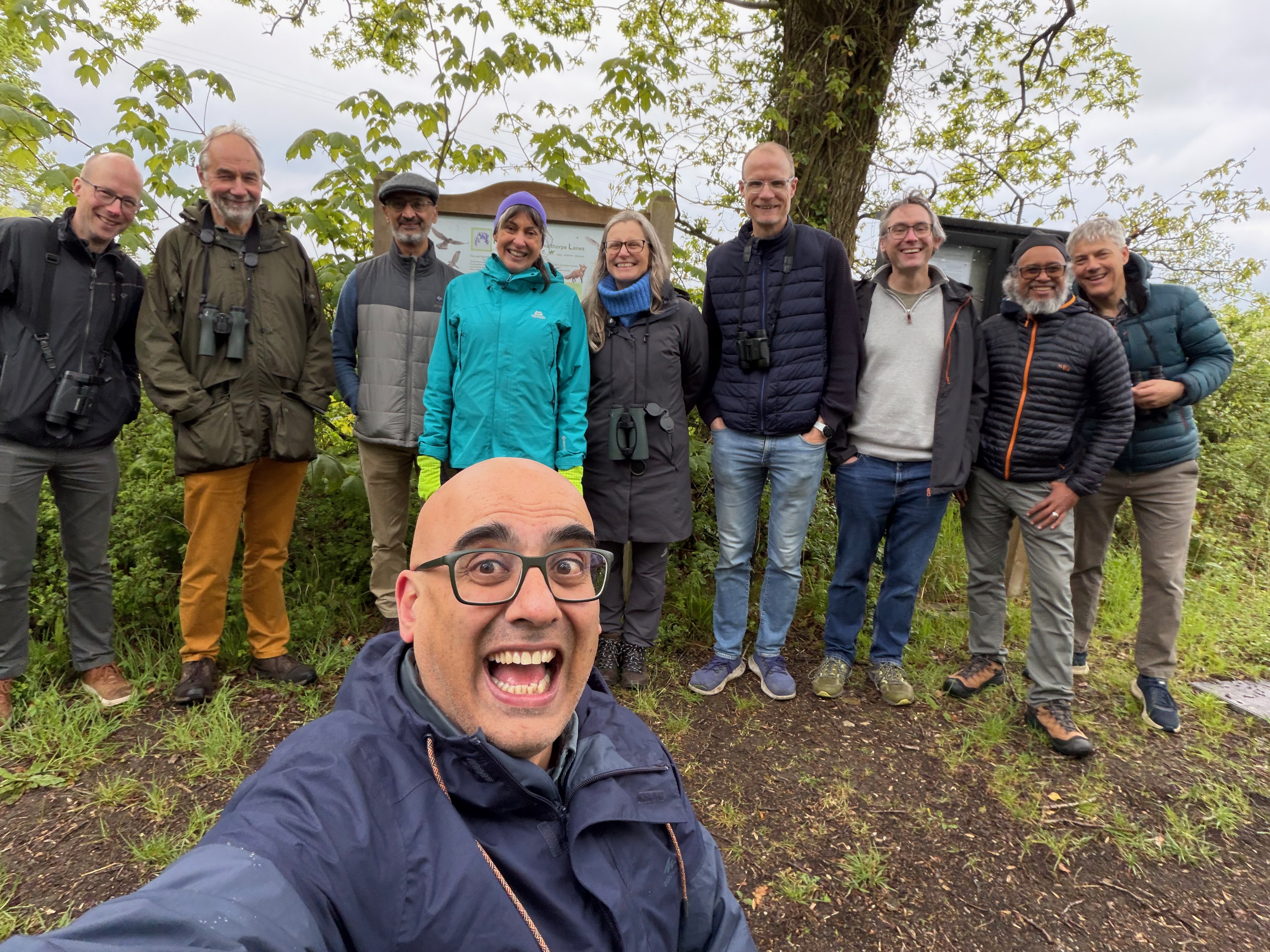
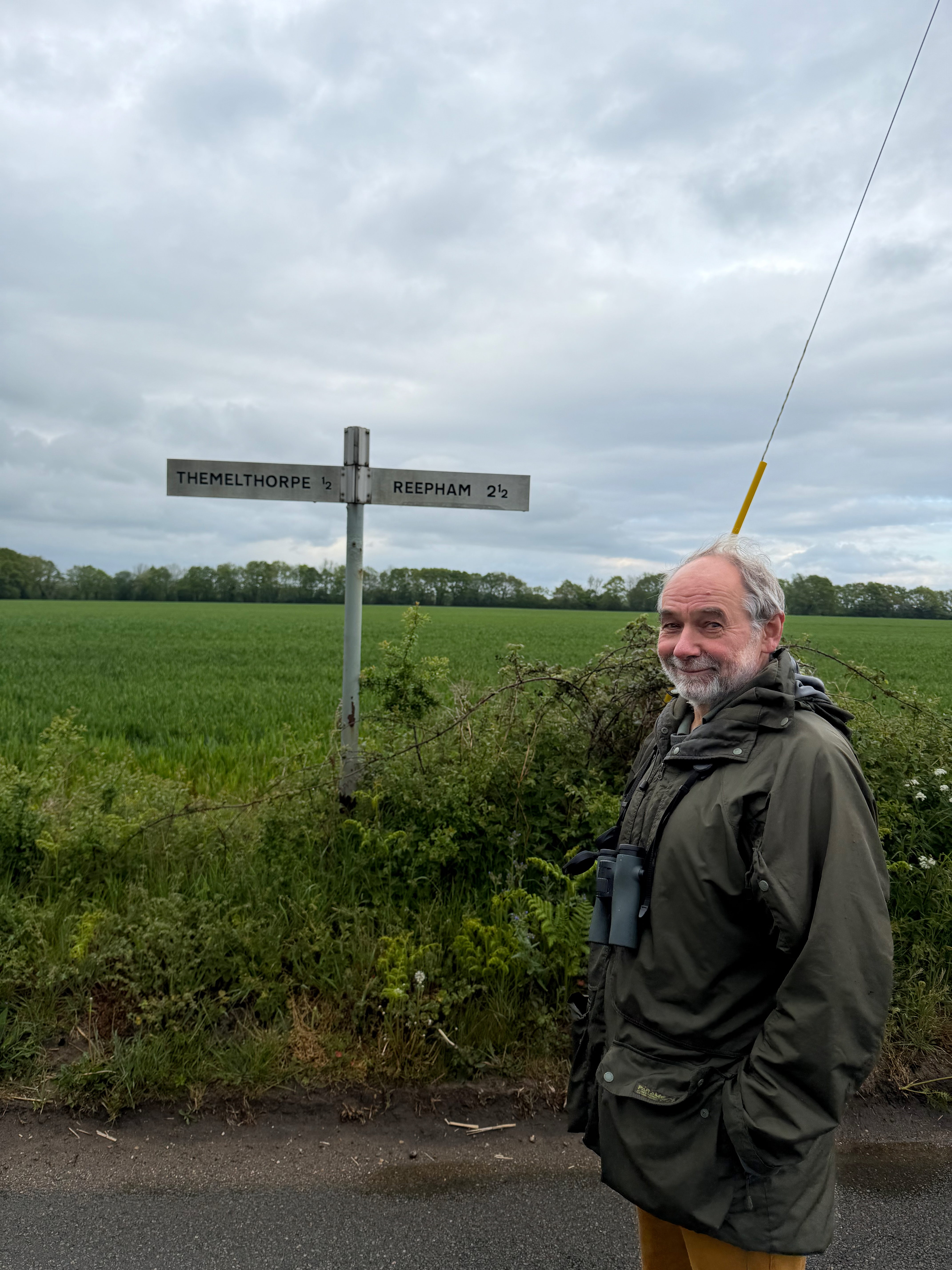
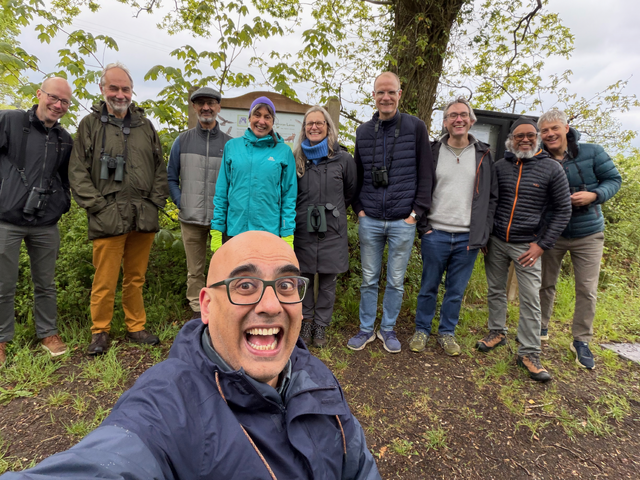
The week's highlight was a Conservation Research Institute retreat in Norwich, which happened to coincide with David Attenborough's 100th birthday. Chris Sandbrooke, the director of the CRI, kindly arranged for us to get away for a couple of days.
Aside from being great to catch up with colleagues and send our best wishes, it was great to see how far we've come with integrating computer science in with our colleagues from Geography, Plant Sciences, Zoology, Architecture and a myriad of other departments. Srinivasan Keshav and I and the rest of the EEG have really been welcomed with open arms by our colleagues, and I don't think I've ever enjoyed doing interdisciplinary research as much as I am right now!
Topics of conversation ranged from:
- uses we could put TESSERA to, which are pretty diverse and include habitat mapping, species predictions, and also a mobile phone version of the foundation model for offline use (something Michael Dales and I have been chatting about recently as we shift to mobile-friendly Zarr).
- data handling is a difficulty for many colleagues; they're still using Google drive sharing for many datasets, and it struck me that an ATProto-based link sharing system that points to a local PDS might be a good usecase for Tangled as well. Akshay Oppiliappan has been adding vouching support so there's the beginning of a trust network on ATProto. However, I'll need to investigate if there's an oAuth-ATproto bridge possible to allow bridging university logins with the wider network.
- also fun discussing entirely new areas of exploration like insect mapping or longer term scenario projections for biodiversity.
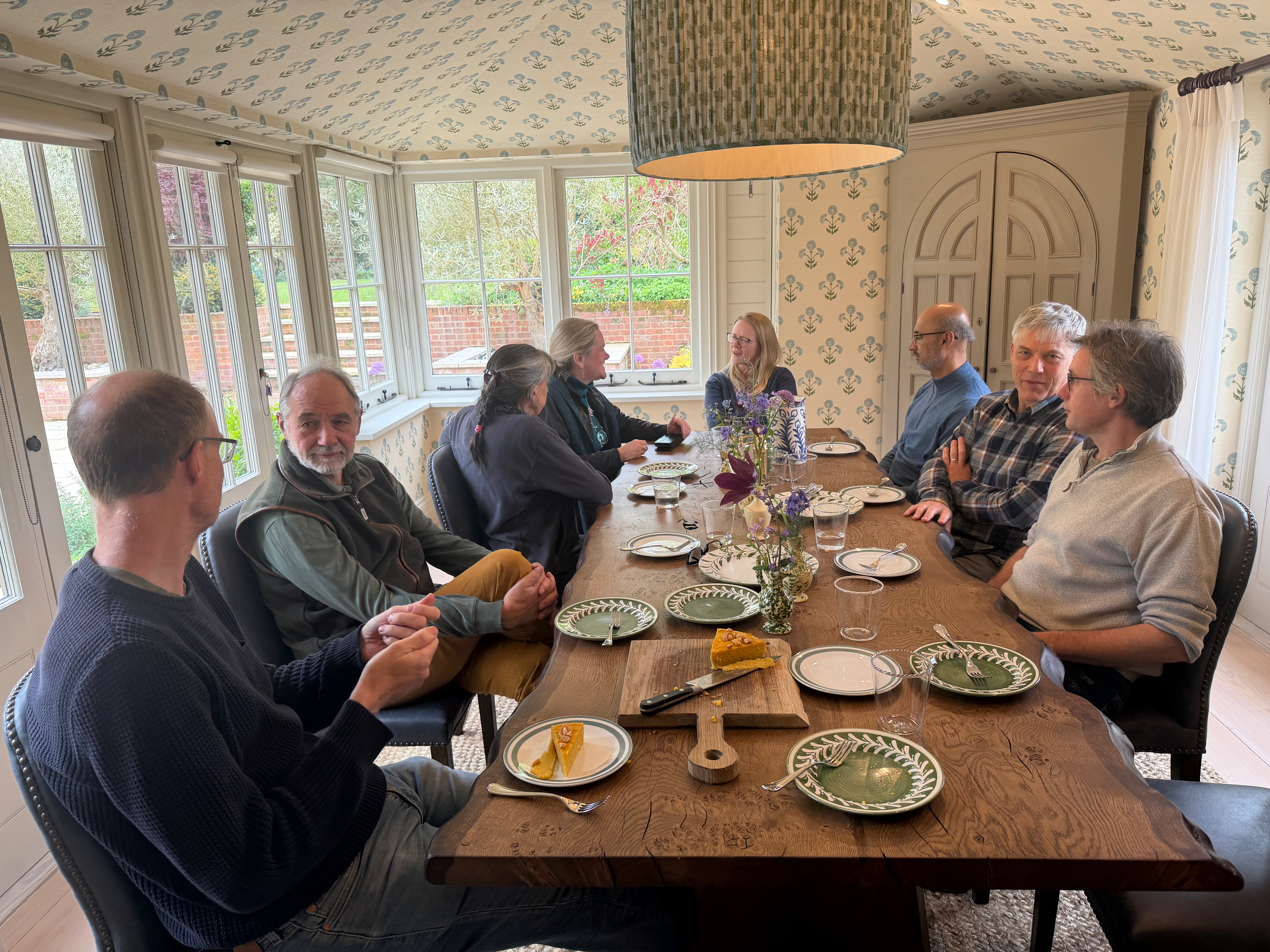
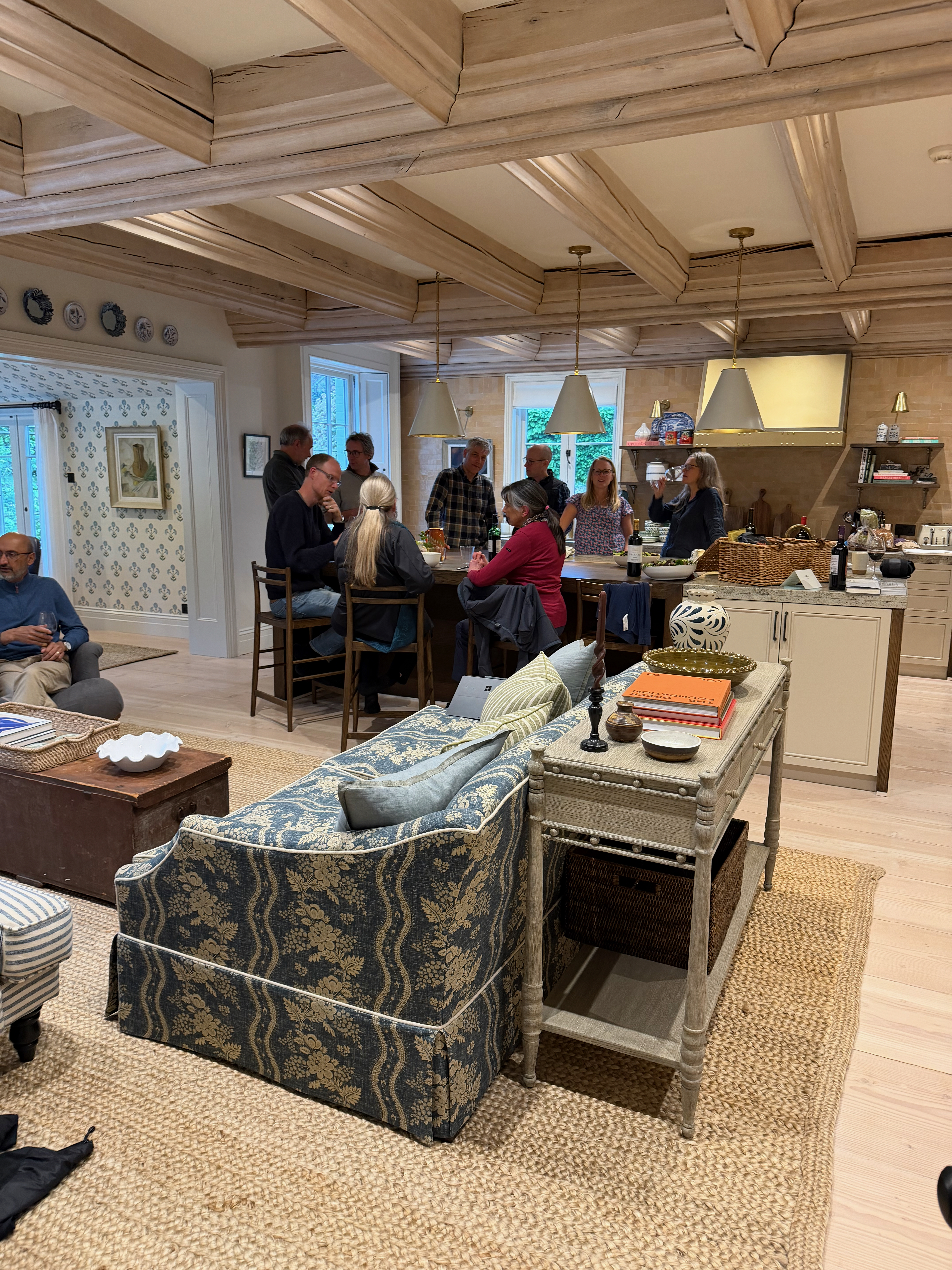
Absolutely gorgeous grounds, great facilities, and enough room to wander around for side conversations without getting under everyone's feet.
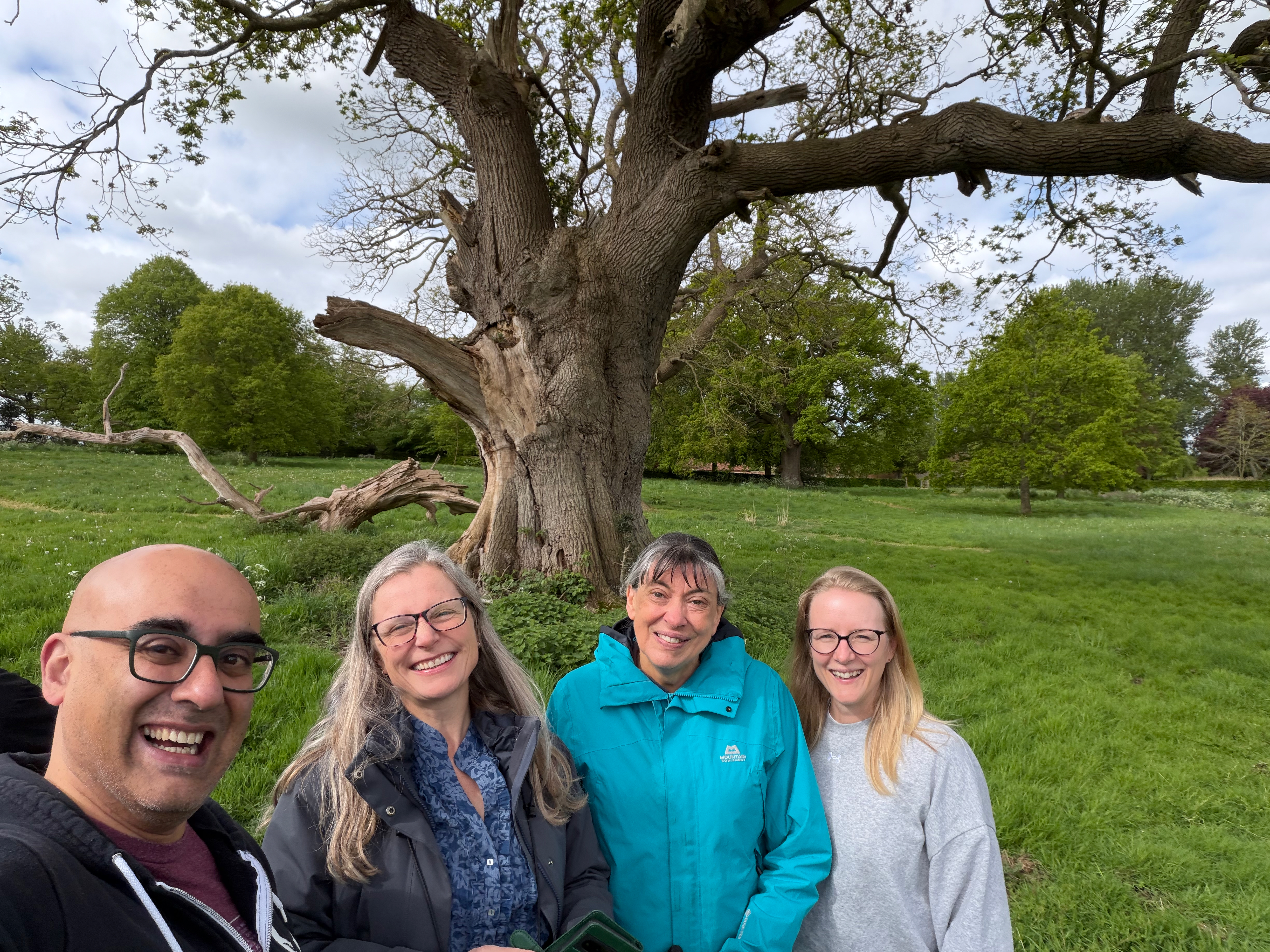
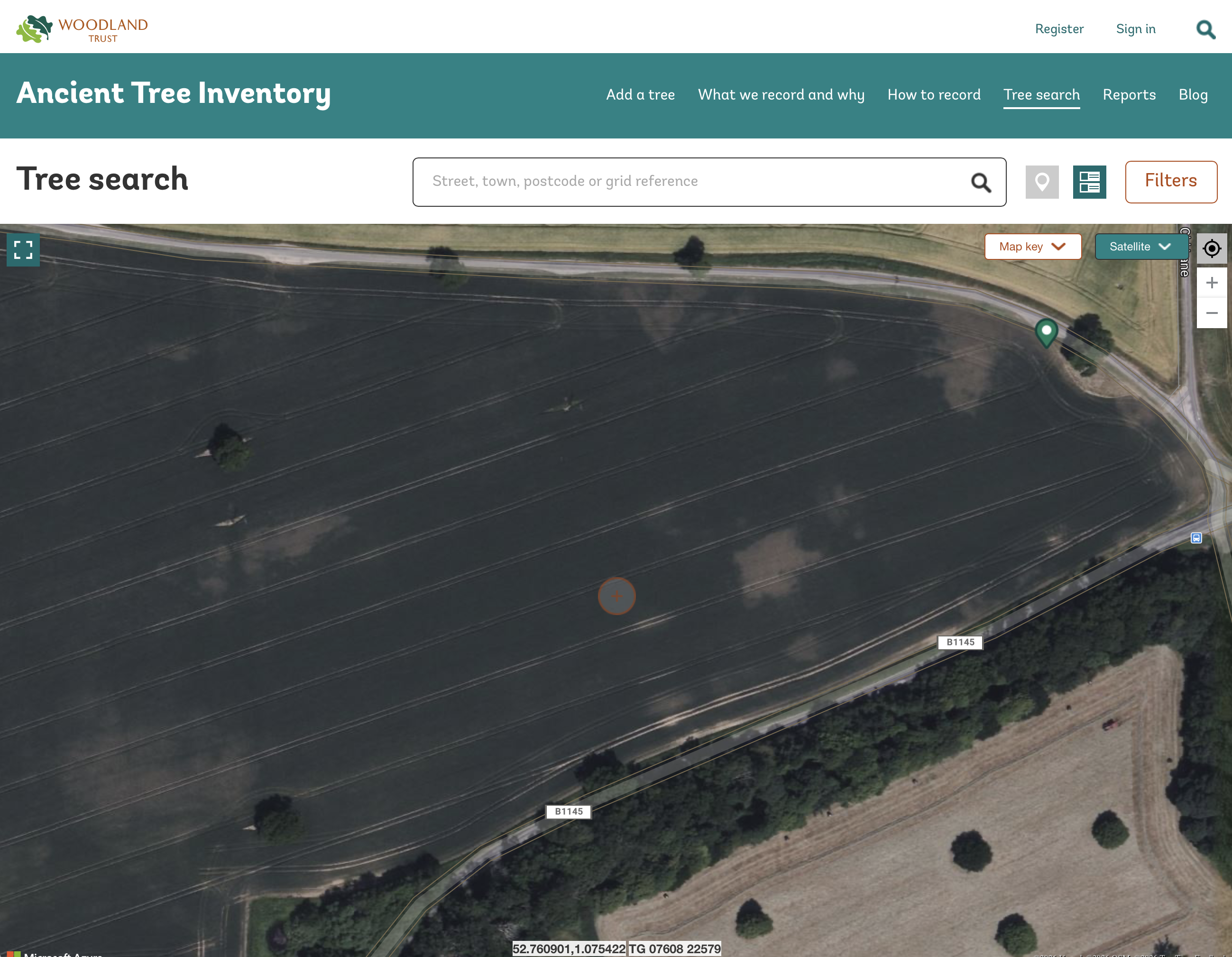
Of particular note are the fabulous old oaks on the grounds, which have been around for hundreds of years. I took a look on the Ancient Tree Inventory run by the Woodland Trust, and noted that the surveys are pretty out of date; the satellite pictures don't appear to show the farm at all, so I might also have been off in my coordinate search!
But even if I was off, there still seem to be a lot of trees around in those maps that aren't yet catalogued... yet another good use for TESSERA?!
Thank you also to the head gardener for giving us a tour of the grounds, which are full of wildlife. I even think I spotted a hedgehog as we drove in, although it was worryingly late in the morning for that to happen!
2 Parliamentary Evidence for Nature Recovery
Bill Sutherland, Lynn Dicks and I took part in a UK Parliament POST briefing a few months ago on Evidence for Nature Recovery, and the report just came out this week. The full report is a really good overview of how systematic evidence can help the government comply with the requirements of the recent Planning and Infrastructure Act 2025, which states that when designing environmental delivery plans "Natural England or the Secretary of State must take account of the best available scientific evidence". This usually means avoiding bat tunnels and relying on conservation evidence instead that's backed by real trials.
I won't try to summarise the full report, but I thought the piece on evidence quality highlights the nuance involved in biodiversity data (which is highly multivariate and uncertain):
Contributors called for more transparency when applying evidence to decision-making, including transparently documenting its quality and when there is a lack of evidence. For example, some contributors criticised inaccuracies in Natural England’s Living England map (which was developed using remote sensing), arguing that inaccuracies in mapping shared with landowners undermined the credibility of planned actions.
Others disagreed, advising against letting the "perfect be the enemy of the good". For example, structured citizen science monitoring schemes can provide high-quality, large-scale, long-term monitoring data. Although other citizen science data can be fragmented, lack metadata or be of variable or ambiguous quality, it can still be valuable for researchers. Page 25, Evidence for Nature Recovery, POSTnote 767, 2026
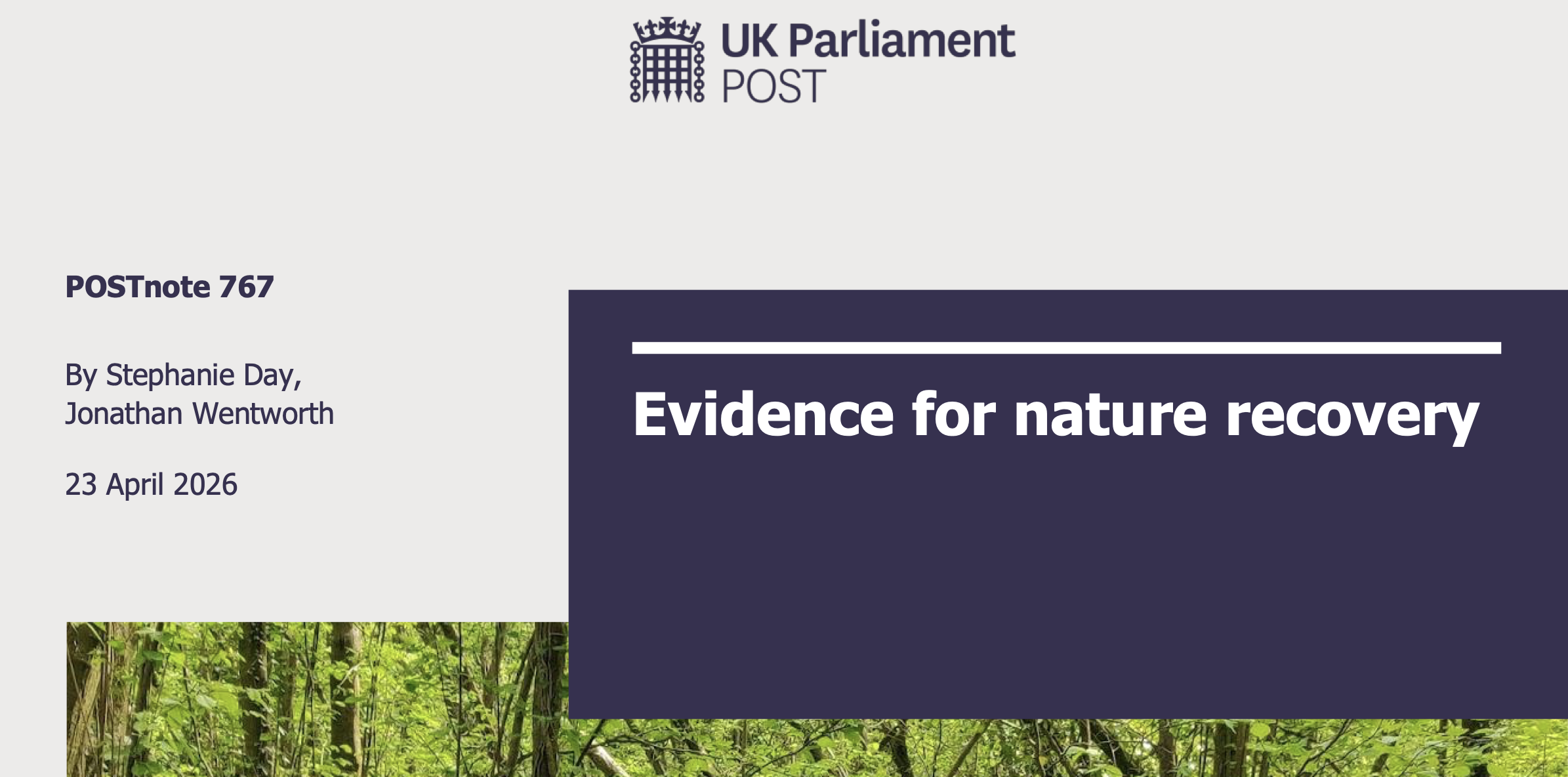
And of course, I had to bring up my red pill/blue pill point, which showed up:
AI has the potential to boost expert capabilities by accelerating evidence synthesis from literature. Researchers raise concerns that human oversight is required for transparency, and AI models with clear governance and human safeguards are being developed. These retain metadata and streamline evidence collation, freeing resources for analysis. Page 35, Evidence for Nature Recovery, POSTnote 767, 2026
3 Talking TESSERA at the Cambridge Ring alumni evening
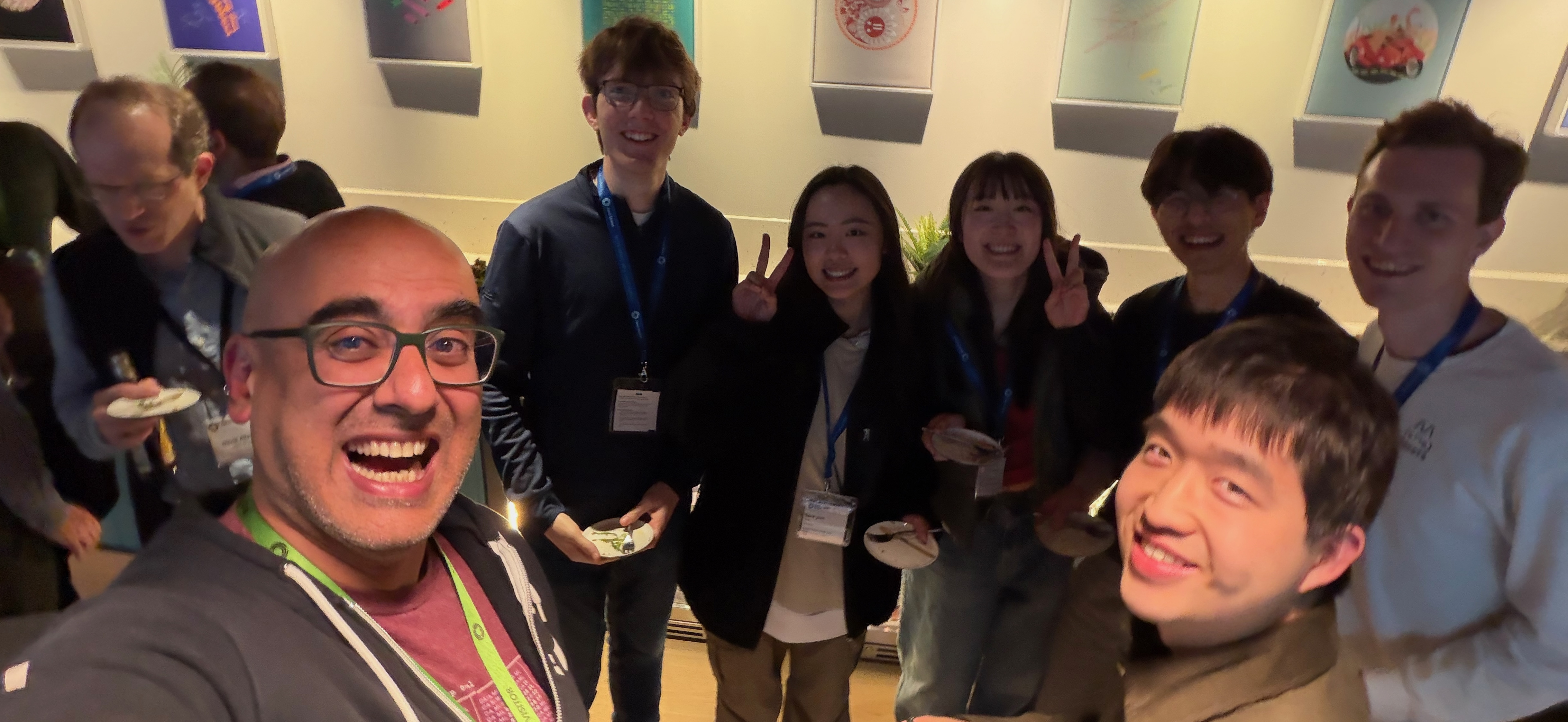
I managed to make it from the middle of nowhere in Norwich to hop down to London to give a talk on TESSERA at a Computer Lab Ring alumni event, hosted at Jane Street's London office. It's been a few years since I've been to JS London, and it has grown massively since then to take over the entire building where they had just a single floor before.
4 Fun links
KC Sivaramakrishnan caught my eye with his shrinking jsoo whereby he got oxcaml's Javascript output down to 4MB from 285MB! I'll need to look at this as I shift my own website to be client-side OxCaml powered as well.
Book of the week is Beyond Belief: How Evidence Shows What Really Works by Helen Pearson, who wrote the FT article I wrote about a couple of weeks ago:
For many years, most medical advice was based on doctors' opinions and conventional wisdom, not solid science. Helen Pearson describes how evidence-based medicine swept the world in the 1990s—becoming the predominant form of medicine practiced today—and how the idea that evidence should guide decisions is quietly transforming a host of other fields as well. Do police patrols reduce crime? Do performance appraisals boost job performance? Do welfare programs help the poor? Do smaller classes aid learning? Do smartphones harm teenagers? At a time when science is under attack and questionable claims run rampant, Pearson underscores the importance of evidence in all facets of our lives, empowering each of us to sift fact from falsehood and misinformation from the truth. -- Beyond Belief: How Evidence Shows What Really Works, 2026
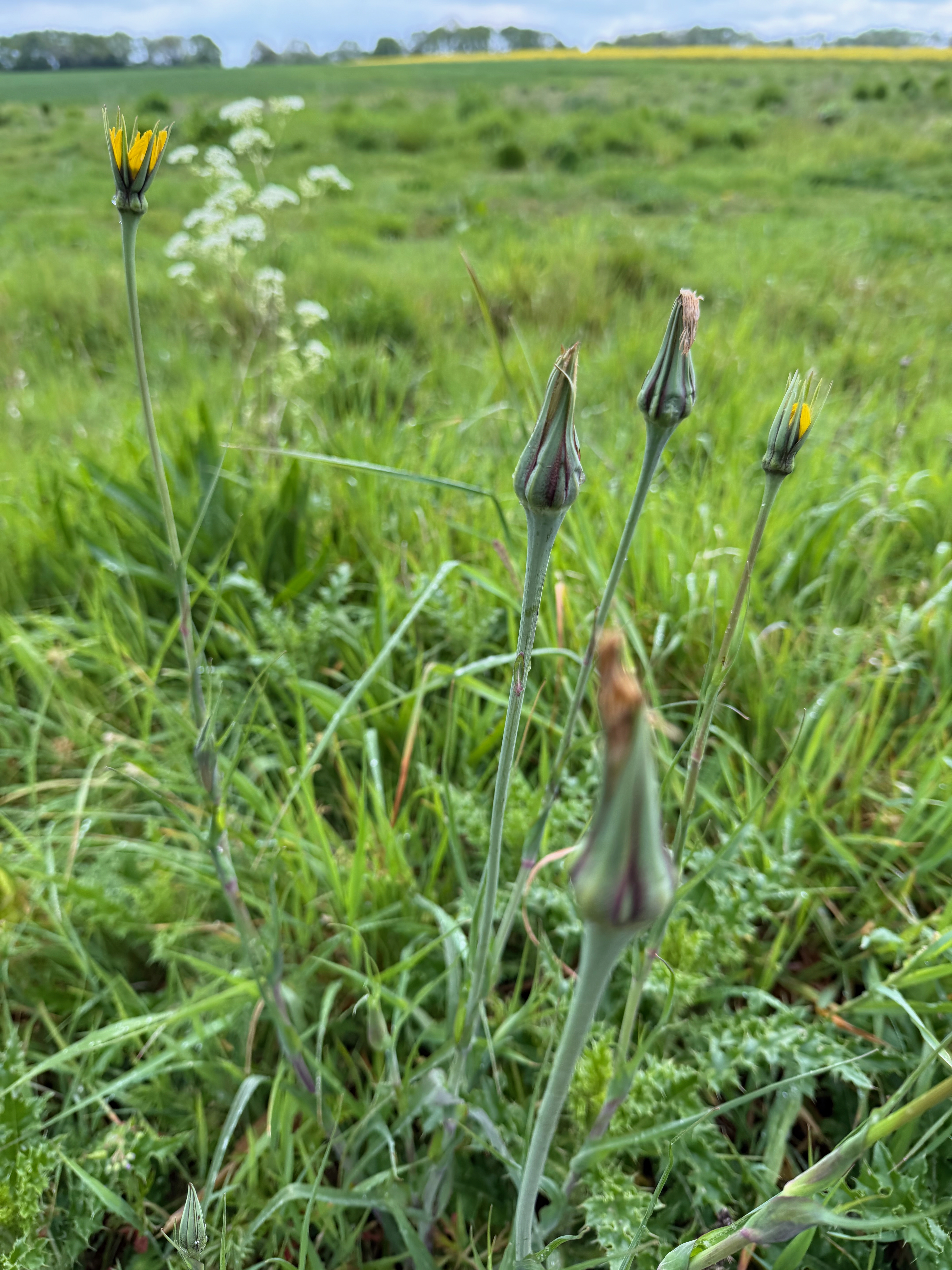
Bill Sutherland introduced me to this amazing native wildflower in Norwich called "Jack go to bed by noon", since it has a habit of closing up by midday. I'm now looking around for it during early morning runs in Cambridge but couldn't spot any open yet!